How to Sell an Empty House Faster With Virtual Staging
AI Flip Room · 7 min read
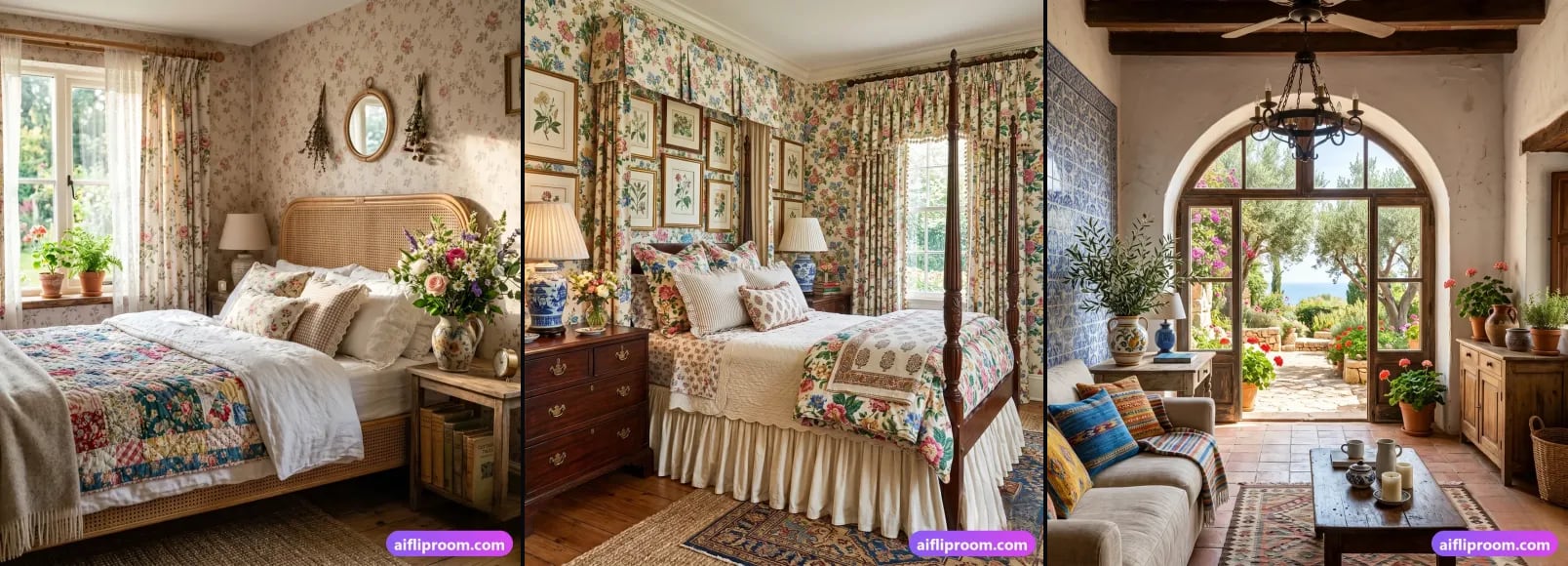
An empty house looks like the easy sale: no clutter, no one else's taste to look past, move-in ready from day one. In practice vacant listings tend to sit, and the reason is human rather than architectural. Most buyers cannot picture a life inside a blank box, so the real job of selling an empty house is helping them see one.
Whether you are moving a flip, an inherited property, a rental between tenants or your own place after you have already left, this guide covers why empty rooms work against you and a practical, low-cost playbook to fix it, mostly with virtual staging. We make an AI staging tool, so read the tool sections with that in mind.
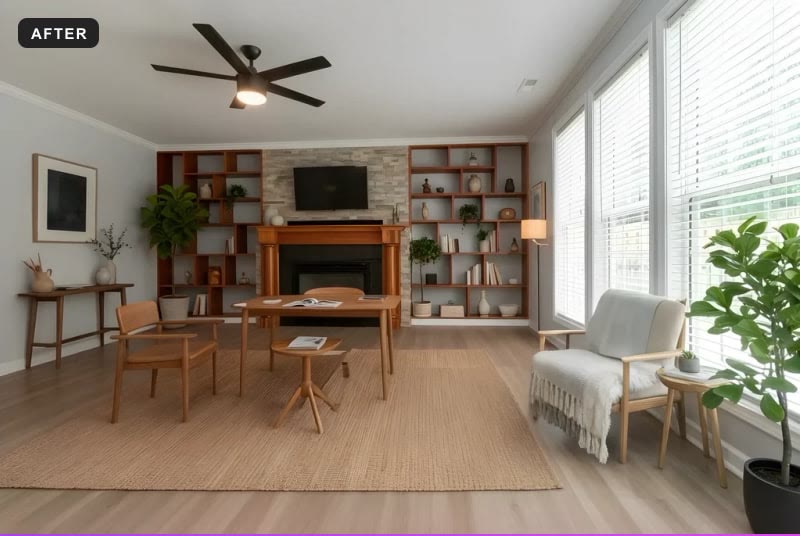
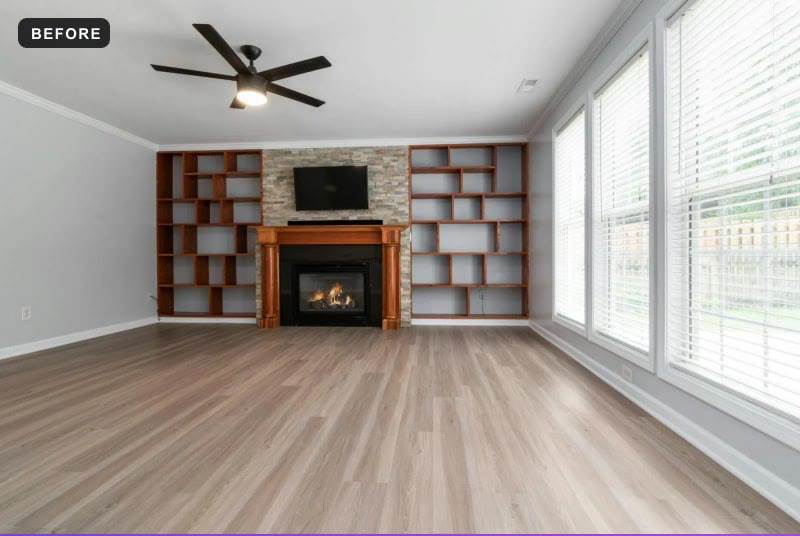
Why does an empty house sit on the market longer?
Because buyers cannot judge an empty room. Without furniture as a reference, rooms read smaller and colder than they are, every scuff and nail hole shows, and nobody can tell what an odd corner is for. Online, where most searches begin, a grid of bare rooms is the easiest listing to scroll past.
Buyers misjudge scale. This is the big one. A bedroom with no bed looks as if it might not take a queen; a living room with bare walls and floor feels like a hallway. People are poor at estimating square footage from an empty shell, and when they are unsure they assume the less flattering answer.
It feels cold. Empty houses echo. Every scuff on the baseboard, every patched nail hole, every slightly-off paint colour has nowhere to hide, and with no warmth to pull the eye away, it goes straight to the flaws. A room that should say "home" ends up saying "vacant unit".
Buyers cannot read the function. Is that nook a reading corner or wasted space? Does the open-plan area take a dining table and a desk? Empty rooms leave every question open, and a confused buyer is a hesitant one. Hesitation shows up as a lower offer, a longer listing, or no offer at all.
Empty photos fall flat. Most buyers start online, scrolling thumbnails. Each photo gets a glance, and an empty room rarely earns the click that leads to a showing.
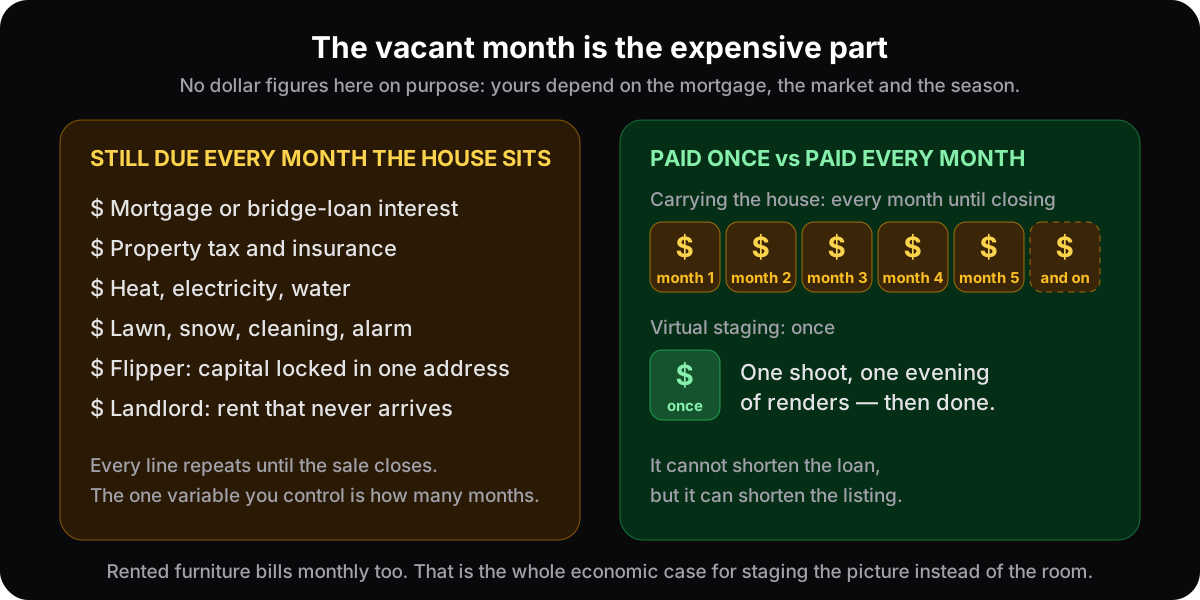
And while the listing sits, the bills do not.
Is staging an empty house worth it?
For a vacant listing, staging is the highest-leverage fix available, because it attacks the exact problem — the photo — that keeps buyers from booking a showing. The strongest public evidence is for physical staging; virtual staging solves the same visual problem for a fraction of the cost, in minutes rather than weeks. For listings that are not vacant, the verdict by situation is in is virtual staging worth it.
All four figures come from the National Association of Realtors' 2025 Profile of Home Staging, a February 2025 survey of 1,266 Realtors, and they describe physical staging: real furniture, delivered and rented for the life of the listing. Read them as a measure of the problem, not a promise about any tool. Nobody has surveyed AI staging at that scale, and we would be suspicious of a number that claimed to.
What the survey does establish is that the thing an empty house lacks — a believable picture of living there — is the thing buyers' agents say moves people. Virtual staging supplies that picture from a photograph, for free to a few dollars an image against a median of $1,500. The full comparison is in what virtual staging costs, and an honest look at what staging can and cannot do for a sale is in does virtual staging help sell homes.
What is the fastest, cheapest way to stage an empty house?
Virtual staging: photograph each empty room, choose a style, and let the software furnish the picture while the real walls, windows, ceiling and camera angle stay exactly as shot. On AI Flip Room a room takes 15–60 seconds, depending on its detail, and every account starts with three free renders, no credit card required.
Physical staging works — the survey above says so — but it is slow and expensive: furniture sourced, delivered, arranged, photographed, then rented for as long as the listing sits. For a flip on a construction loan or an inherited house two provinces away, that is a real hurdle. Virtual staging removes it. If you want the single-room version of this — one empty room, start to finish, and exactly what the render may and may not touch — that is furnishing an empty room.
The point is not to fake a renovation. It is to give buyers the one thing an empty room cannot: a believable picture of how the space would be lived in. Done honestly, it answers the scale question, warms the room and shows what each area is for, all before anyone books a showing. If the idea is new to you, what virtual staging is covers the basics, and the showcase has more before-and-after pairs.
Which rooms should you stage first in an empty house?
Not all of them. Buyers form an opinion in the first few photos, so stage the rooms that make the emotional case: the living room, the primary bedroom, the dining or kitchen zone, one flexible space and the outdoor area. Agents who stage physically start with the same three rooms, according to NAR's 2025 survey.
Which rooms to stage, in order
- 1Living roomThe hero shot of most listings, and the room 91% of staging agents furnish, according to NAR's 2025 survey. Stage it before anything else: it sets the tone for the whole tour and usually leads the photo carousel.
- 2Primary bedroomWhere buyers picture their own mornings, and the second most-staged room in the survey (83%). A made bed with two nightstands settles the scale question at a glance: yes, a queen fits, and so do the lamps.
- 3Kitchen and dining areaThe kitchen sells on its finishes, which staging must not touch. Furnish the dining area or breakfast nook beside it instead (69% of staging agents do) so buyers can see how people actually gather there.
- 4One flexible or awkward spaceThe bonus room, finished basement or odd corner gains the most, because staging tells the buyer what it is for: home office, nursery, gym, reading nook. Pick the use your likely buyer wants, not the one you would choose.
- 5Outdoor areasA bare patio or deck is a missed opportunity. Add outdoor furniture on the surface that exists — a table, chairs, a lounger — and leave the lawn, the planting and the structures as they are. That is the property, not the staging.
Hallways, laundry, bathrooms and small bedrooms rarely need staging; clean, well-lit photos are enough. Spend your renders on the rooms that make the emotional case. With three free renders, that is the living room, the primary bedroom and one more. The outdoor area is the cheapest of the five to win — a bare deck or patio reads as unfinished, and outdoor virtual staging covers what belongs there and what does not.
How should you photograph an empty room for virtual staging?
Shoot in daylight with the lamps off, hold the phone level at chest height, use the normal 1x lens rather than the ultra-wide, keep one room per frame and clear out the ladders, paint cans and boxes. The render can only be as honest as the photo, and an empty room is the easiest photo you will ever take.
Ten minutes of prep saves you re-shoots later. The full set of seven rules, with diagrams for camera height and lens choice, is in how to photograph rooms for virtual staging.
Which style should you choose for a for-sale listing?
Neutral and broadly appealing beats bold. You are not decorating for yourself; you are helping the largest possible pool of buyers imagine their own furniture in the space. Light woods, soft neutrals and uncluttered rooms do that for most homes. Match the mood to the property — condo, family house, cottage — and stay consistent from room to room.
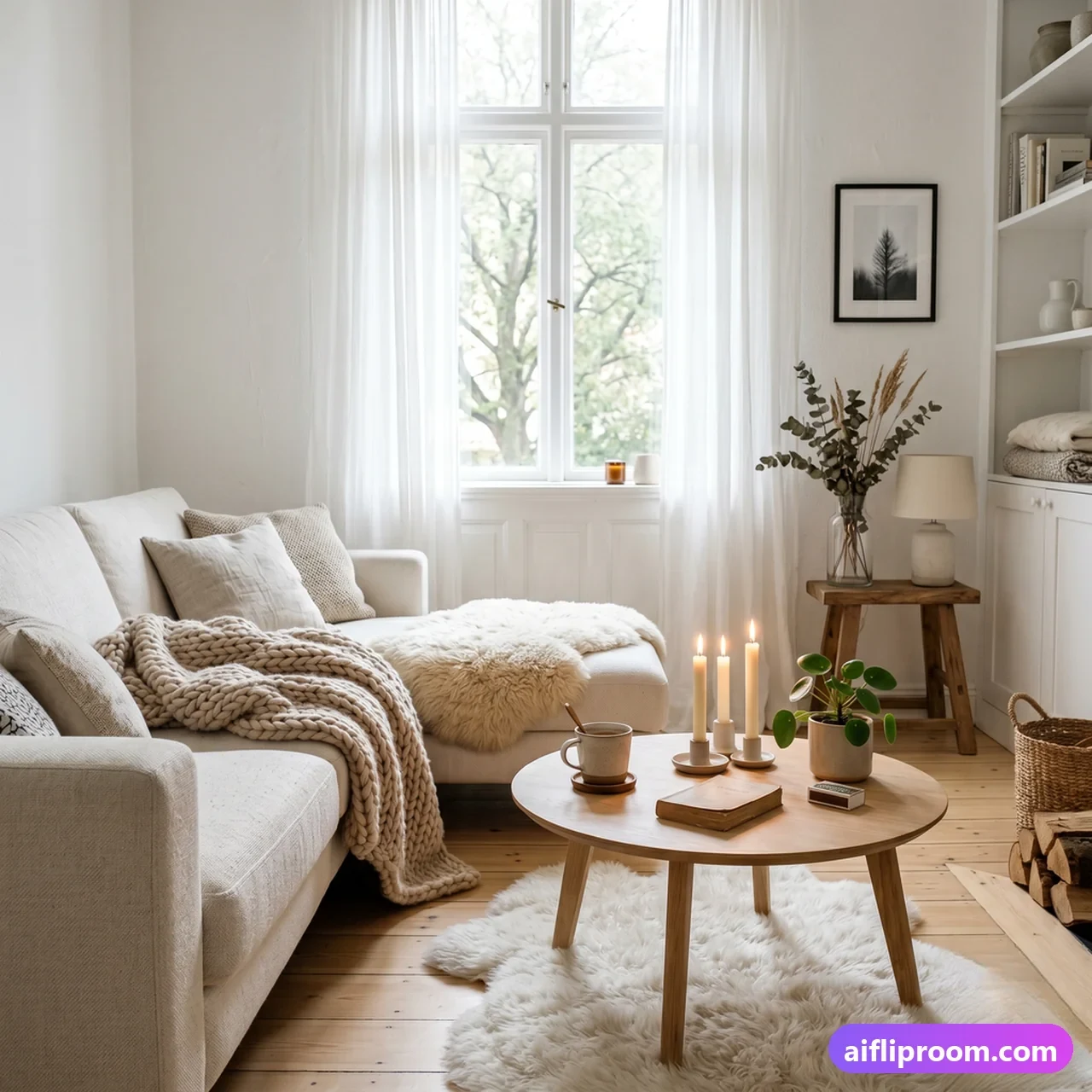
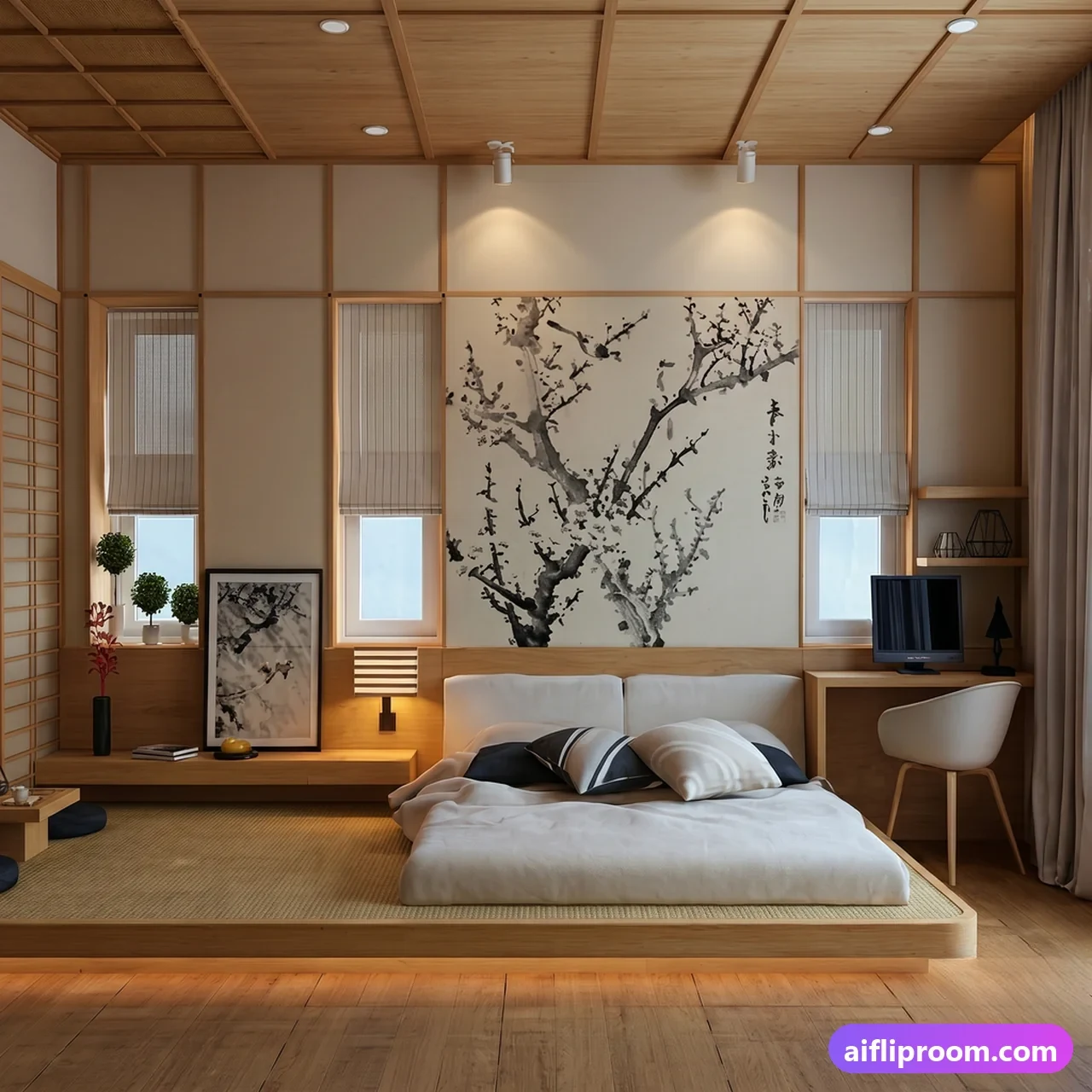
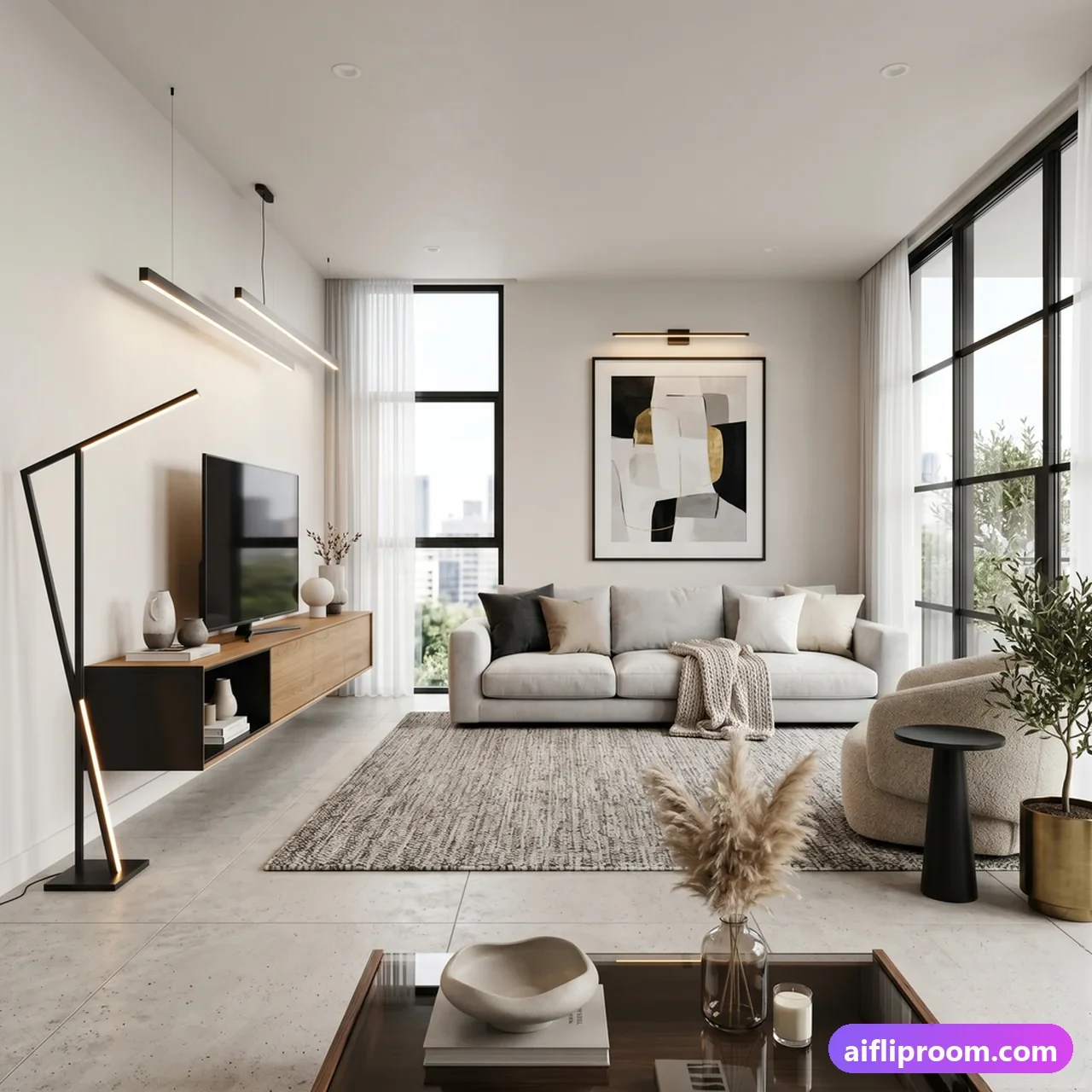
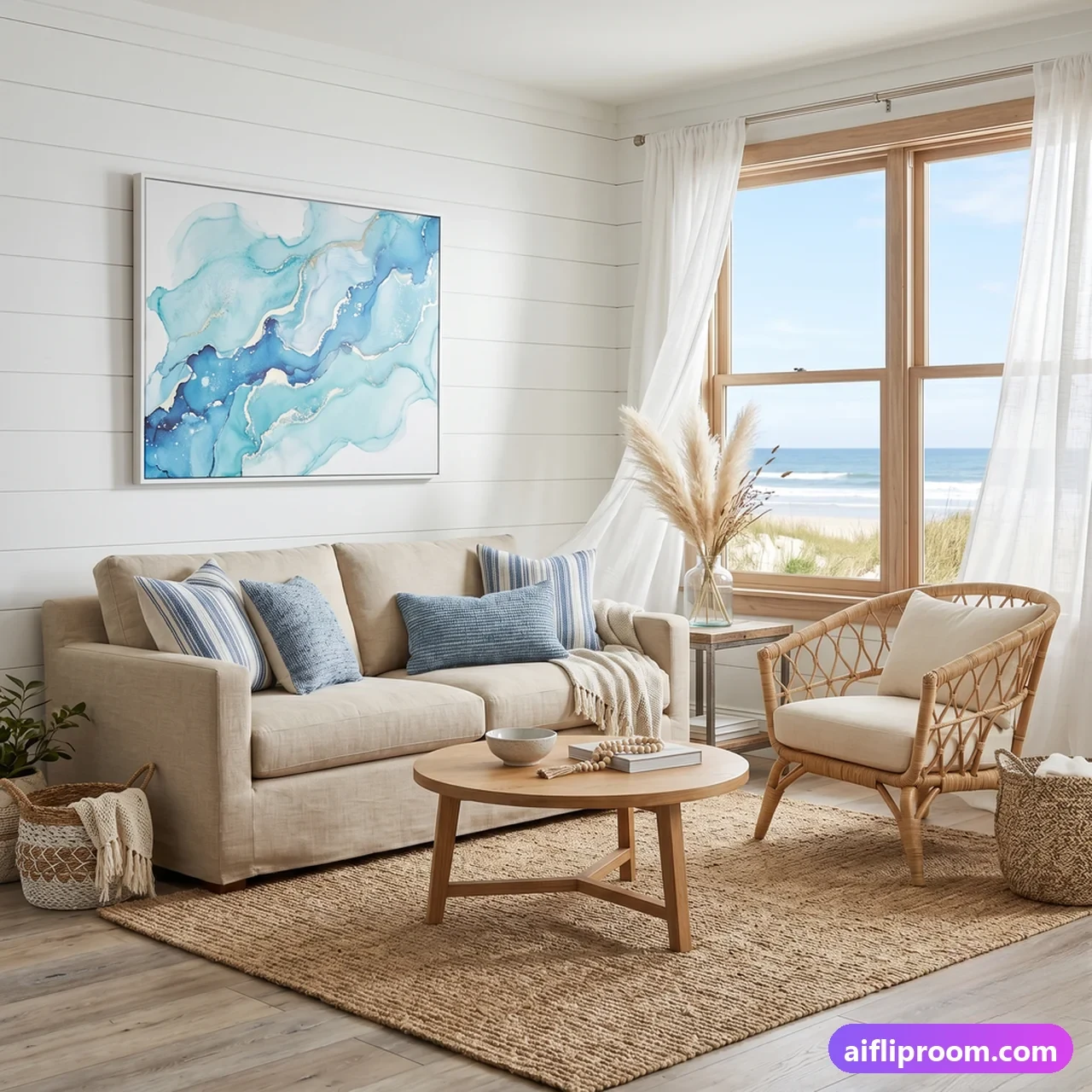
Whatever you pick, use one style for the whole house. A Scandinavian living room next to a Hollywood Regency bedroom reads as two different homes, and buyers notice. The style library has the full range, interior and outdoor, each with its own preview. For a family house on a normal street, modern farmhouse is the safest of the warm styles — it reads as lived-in without dating the photos.
How do you virtually stage an empty house without misleading buyers?
Furnish, never alter. Add what a seller would move in — sofa, bed, table, rug, art, lamps — and leave what the buyer is paying for exactly as photographed: windows, doors, walls, ceilings, floors, fixtures, damage, views. Label every staged image and keep the untouched original next to it.
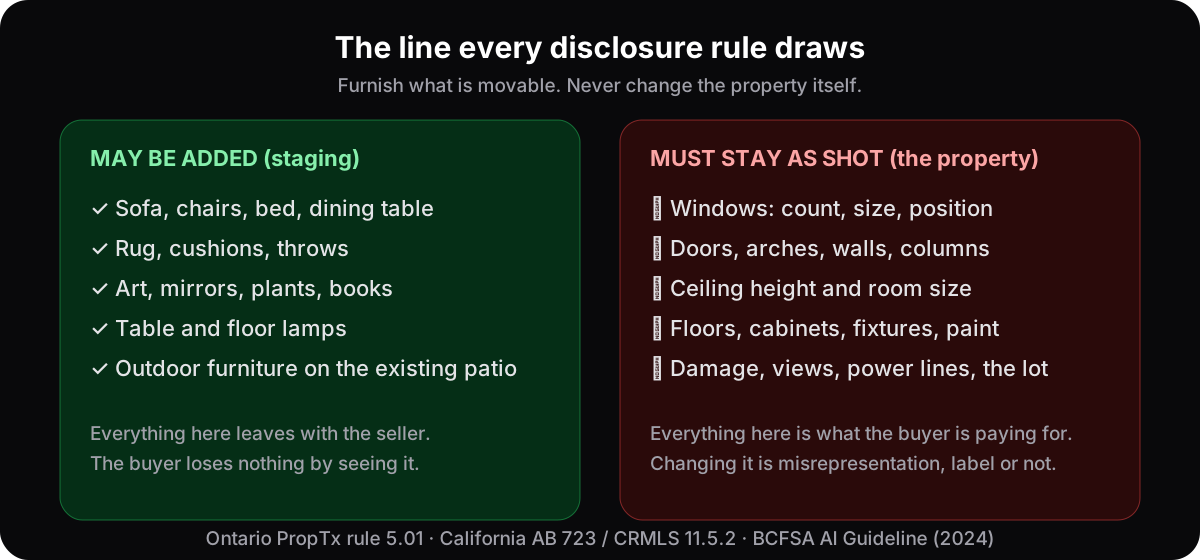
This part is non-negotiable, ethically and legally. Three habits keep you on the right side of it:
- Stage furnishings, not the structure. A sofa and a rug are fair game. Erasing a support column, hiding water damage, adding a window or digitally "renovating" a dated kitchen is deception, and the buyer will see the real room at the showing.
- Disclose, and keep the originals. Put "Virtually staged" on the image or in its caption, and keep the empty photos in the listing or ready to send. Where the rule is written down — Ontario's MLS rulebook, California's statute, British Columbia's regulator — it turns on the same test: does the photo still tell the truth about the room? The wording and the label options are in our guide to virtual staging disclosure rules.
- Keep the render believable. Furniture at true scale in an accurate room does the persuading. A render that oversells sets up disappointment at the showing, which is the opposite of what you want.
Handle disclosure well and staging becomes a trust-builder rather than a liability: the buyer who has seen both photos knows exactly what they are walking into.
What is the 6-step playbook for selling an empty house?
Prep and photograph the five rooms, pick one style, render each room, check every render against its original, label and publish with the originals alongside, and lead the listing with the strongest staged shot. Start to finish, it is an evening's work for a whole house; the rendering itself is minutes.
The 6-step playbook
- 1Prep and clean the roomsClear the clutter, wipe the surfaces, open every blind. Take the ladders and paint cans out of frame; leave the built-ins where they are.
- 2Photograph the five key roomsLiving room, primary bedroom, dining area, one flex space, the patio or deck. Daylight, lamps off, level at chest height, the 1x lens, one room per frame.
- 3Pick one cohesive styleNeutral and consistent across the whole house. Scandinavian, Japandi or Modern suit most listings; Coastal suits anything near water.
- 4Upload and render each room15–60 seconds per room, depending on its detail. Test the look with your three free renders before committing to a whole house, and if a render is not right, run it again in the same style — a second attempt costs a minute.
- 5Check each render against its original, then label itCount the windows, find the fireplace, compare the floor and the doorways. If anything but the furnishings moved, reject it. At AI Flip Room that check runs automatically on every render before you see it — how that works — but keep the habit whatever tool you use. Then add "Virtually staged" to the image or its caption and keep the originals alongside.
- 6Lead with your strongest staged shotThe living room, usually. Put it first in the carousel, and keep the unstaged photo of the same room in the set so the buyer sees both before booking.
Staging a whole house or several listings at once? The Pro and Agency plans on the pricing page cover higher volumes, and the page for agents walks through the listing workflow from shoot to remarks.
An empty house is not a disadvantage. It is a blank canvas that the buyer cannot paint alone. Give them something to picture, keep it honest, and the cold, echoing rooms become the reason someone books a showing. Upload one empty room and see it furnished in 15–60 seconds — start for free, no credit card required.
Questions people ask about selling an empty house
Do empty houses really take longer to sell?+
Often, and for a human reason: buyers cannot judge scale or purpose in a bare room, so they hesitate or move on. We have not found a regulator or industry survey that isolates vacant homes specifically, so we do not quote a number for them. What NAR's 2025 survey does show is that 49% of sellers' agents saw staging reduce time on market, and an empty house is where staging has the most to add.
Is it better to stage an empty house or leave it empty?+
Stage it — at least the living room, the primary bedroom and the dining area — because an empty room gives a buyer nothing to hold on to. If physical staging is out of budget or the house is far away, virtual staging does the same job in the photographs for a fraction of the cost. The showing is still of the real, empty room, which is exactly why the staged photo must be labelled.
How much does it cost to virtually stage an empty house?+
Far less than furniture. AI staging runs from free to a few dollars per image; every AI Flip Room account starts with three free renders, no credit card, and the paid plans are on the pricing page. Physical staging had a median cost of $1,500 for a professional service in NAR's 2025 survey, before the monthly furniture rental. The full breakdown, with what drives the price in each model, is in our virtual staging cost guide.
Can I virtually stage an empty house that needs repairs?+
You can furnish it; you cannot fix it in the picture. A sofa over a worn floor is staging. A repaired floor, a painted-out water stain, a patched ceiling or an added window is an altered image, and in Ontario, California and British Columbia that is misrepresentation whether or not the photo carries a label. Fix the house or disclose the flaw; the render should show the room as it is, plus furniture.
See it on your own room
Upload a photo and watch AI restage your space in 15–60 seconds, depending on how much detail it has — free to try, no credit card.
Try AI Flip Room freeGot a question about this?
Something unclear or not covered? Ask here. We read every question and answer the useful ones right in the article. Nothing you write is published.
Related reading
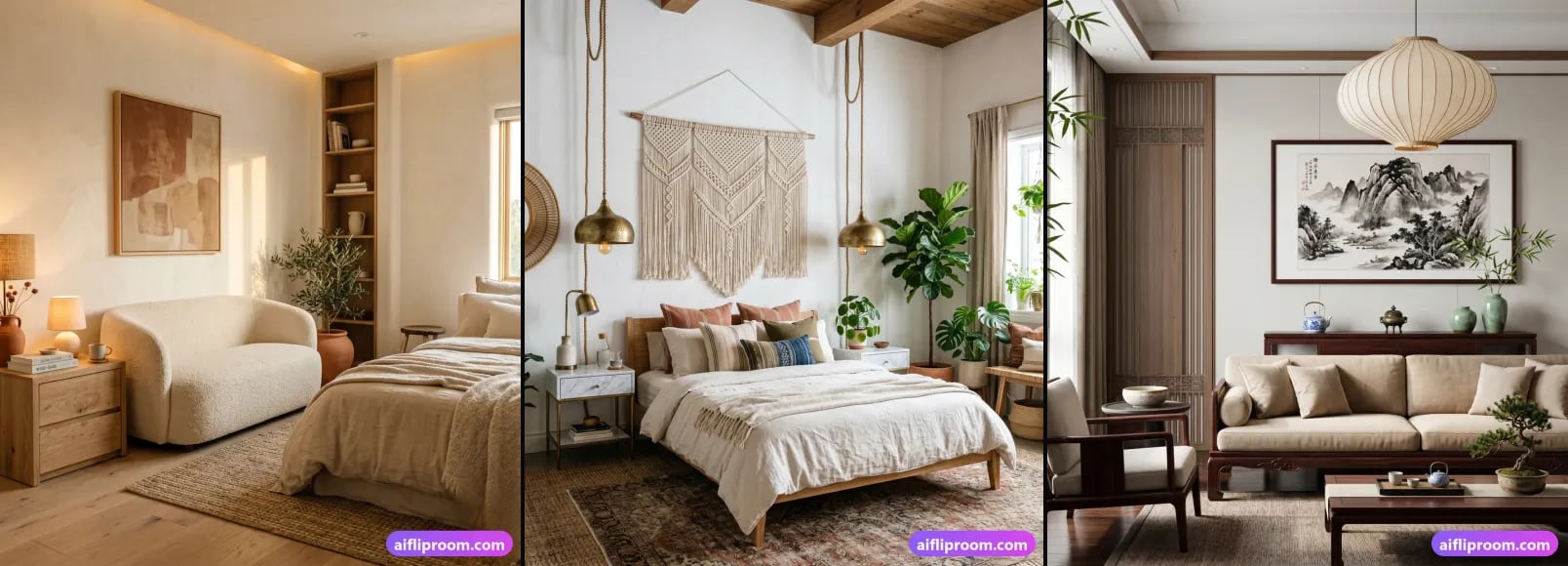
Virtual Staging Cost in 2026: What You Will Really Pay
Physical vs hand-done virtual staging ($10–75 per photo) vs AI (free to a few dollars). Real 2026 ranges, what drives price, and which fits your listing.
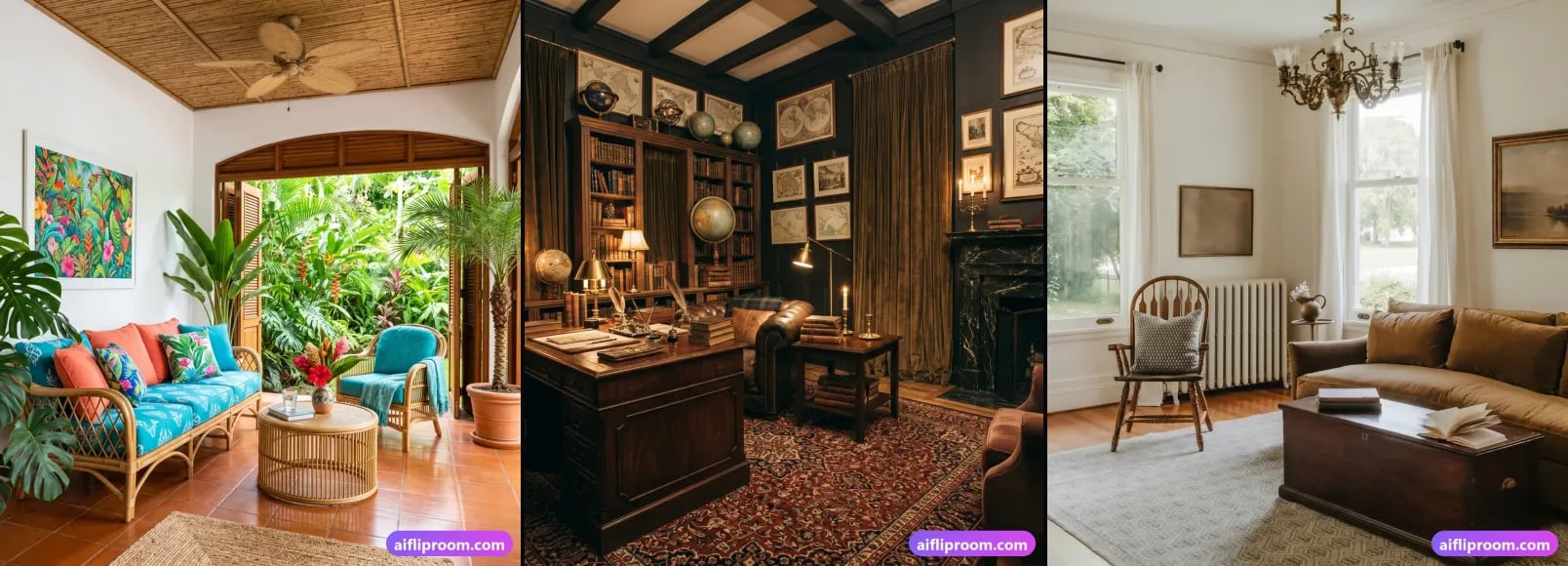
Does Virtual Staging Help Sell Homes? An Honest Answer
Virtual staging changes the photo, not the price. Where it helps, where it is wasted, what NAR's 2025 survey actually measured, and what can go wrong.
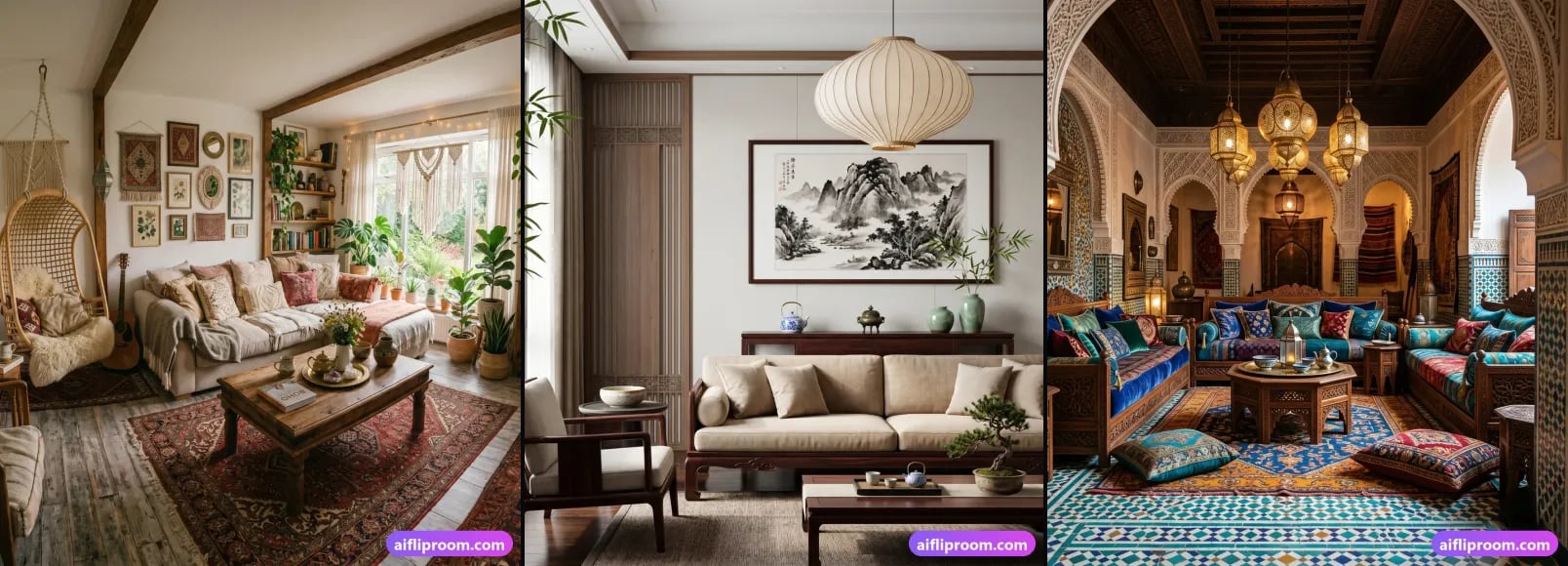
How to Photograph Rooms for Virtual Staging: 7 Rules
Daylight, lamps off, a level phone at chest height, the 1x lens not 0.5x, one room per frame, clear surfaces — seven habits that make AI staging look real.