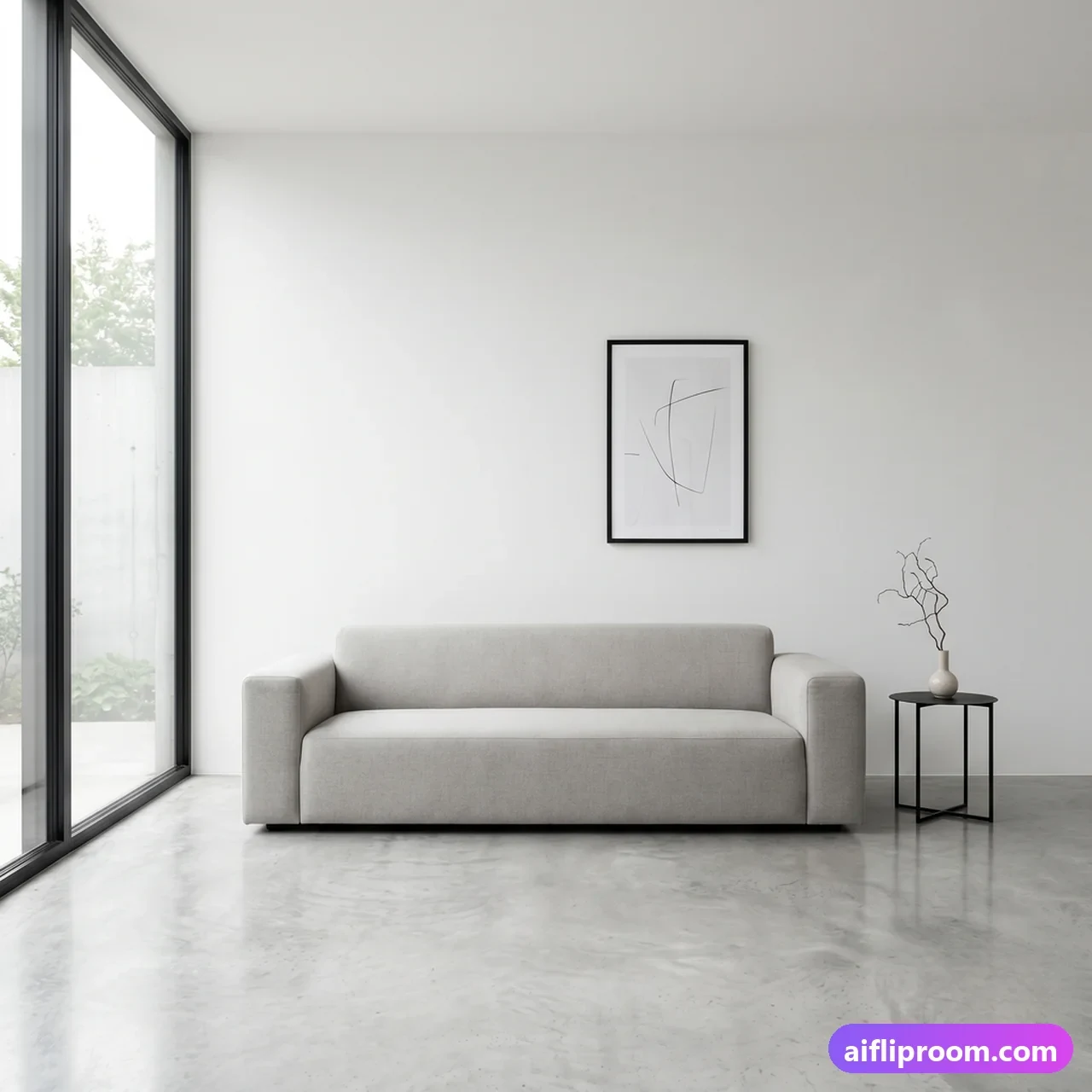
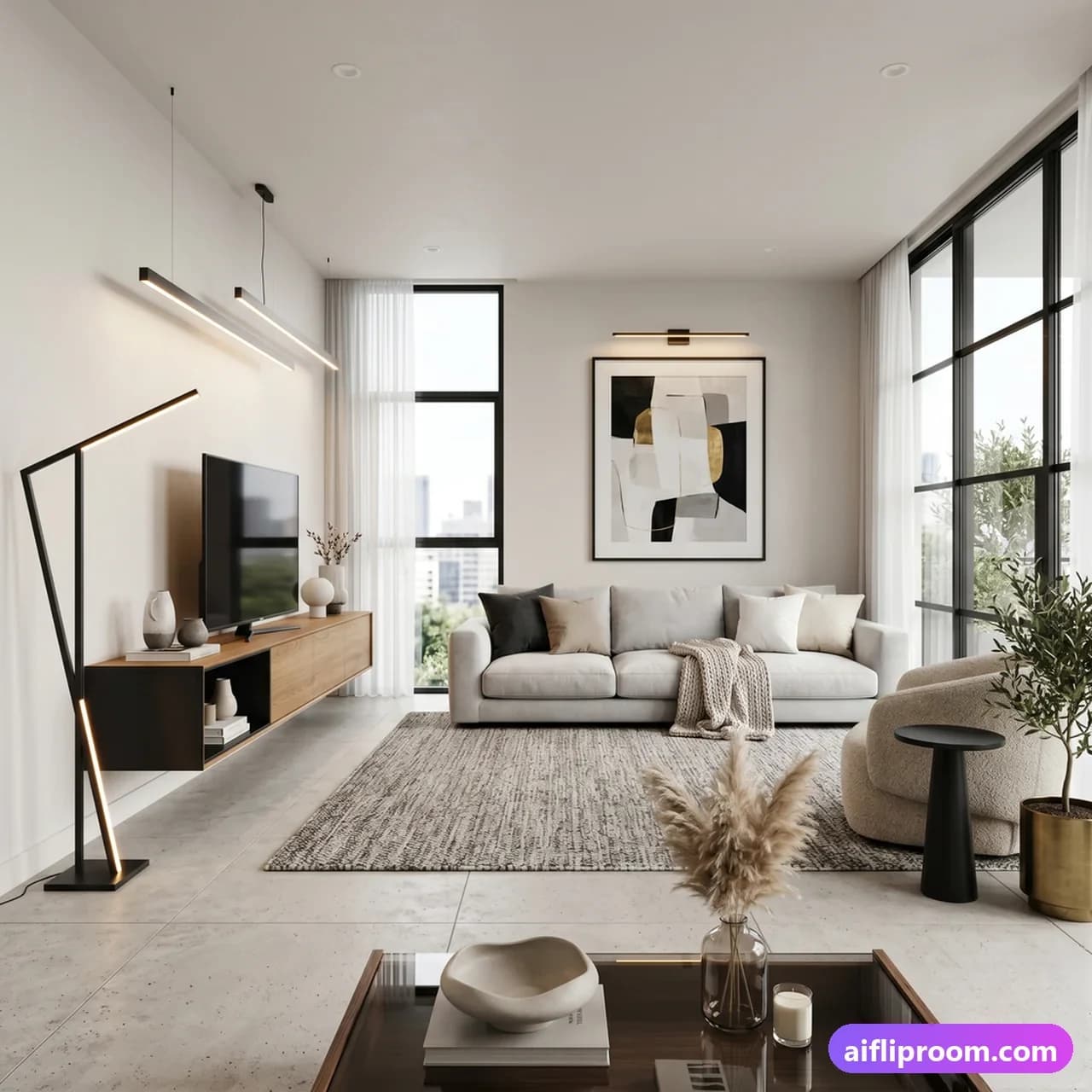
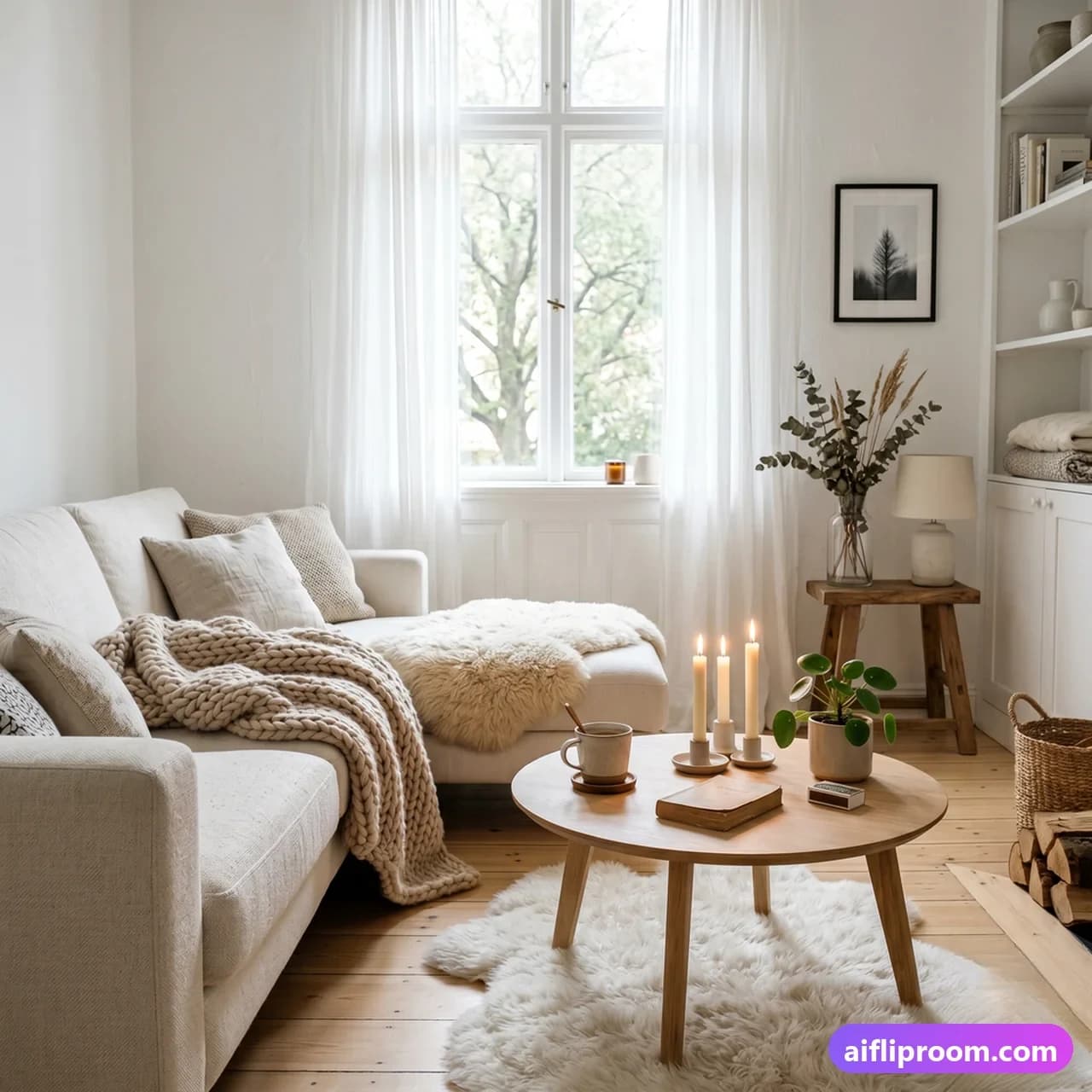
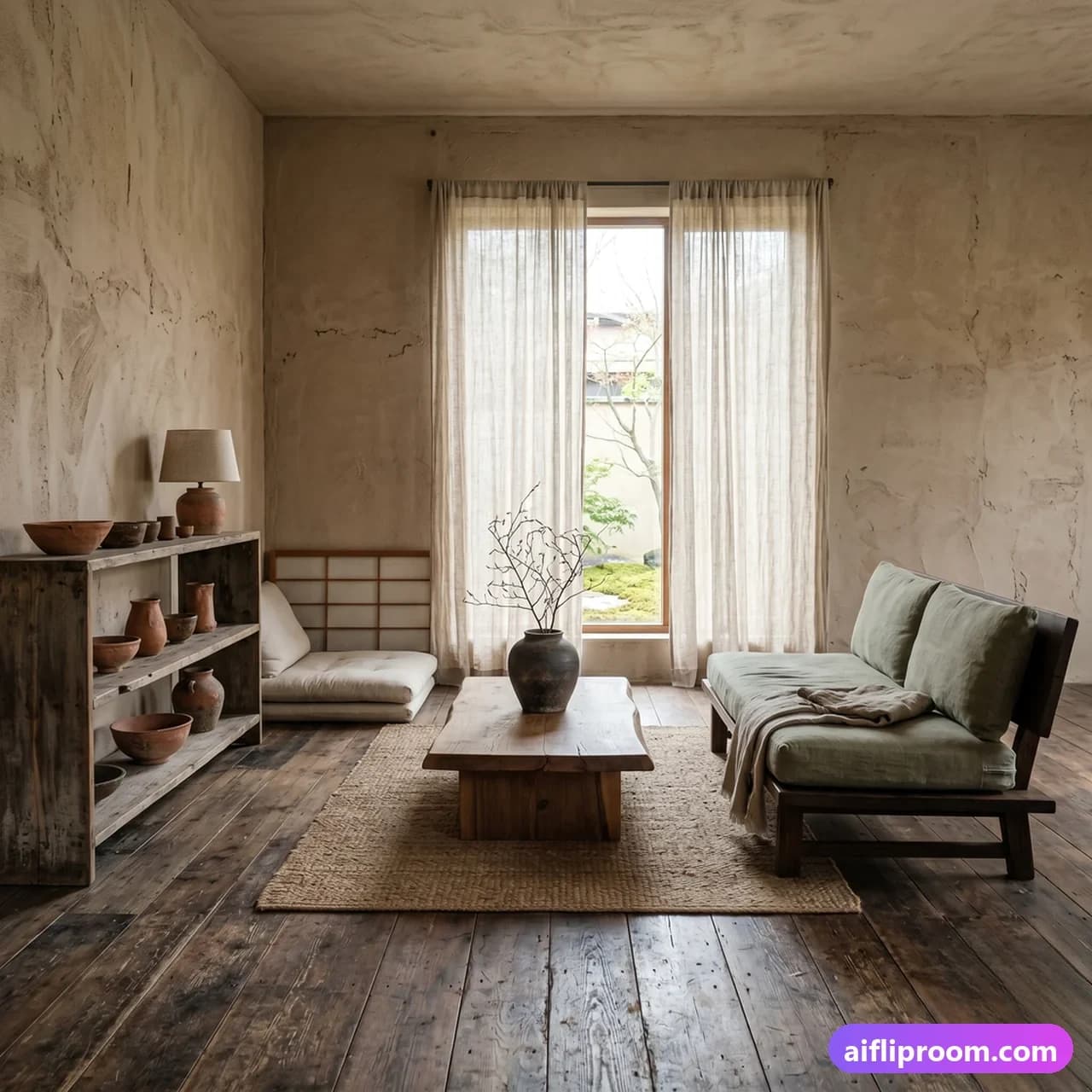
Japandi Interior Design
Japanese minimalism meets Scandinavian functionality.
Stage your room in Japandi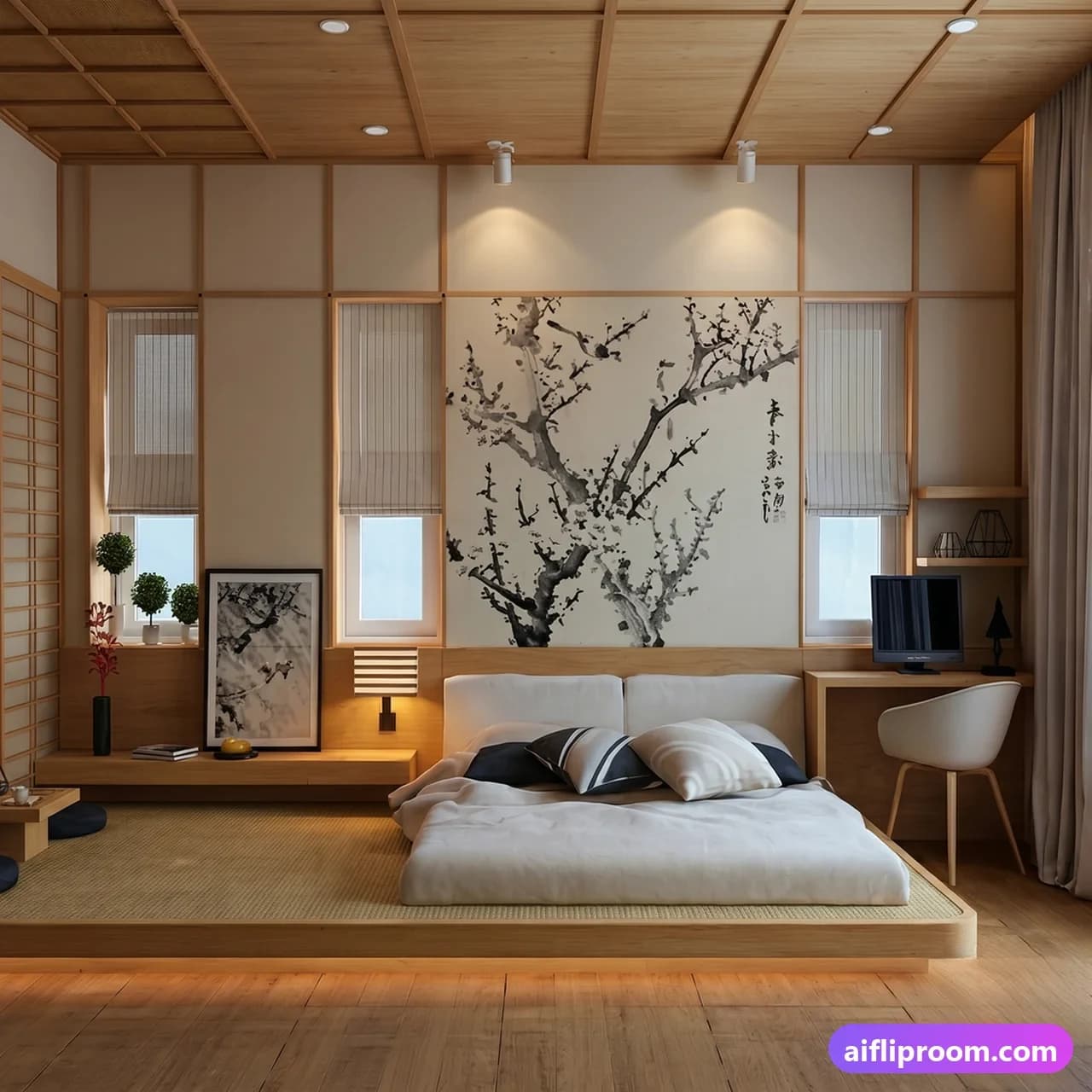
What is Japandi virtual staging?
Japandi pairs Japanese restraint with Scandinavian warmth: a muted, earthy palette, light wood, linen and a few low, well-made pieces with room to breathe. This page is about Japandi virtual staging — what the style puts into a photo of your room, which rooms it suits in a listing, and what our AI leaves as photographed. For the design side — where Japandi comes from, its palette, its furniture and the mistakes to avoid when decorating a real room — read our Japandi style guide. In listing photos, Japandi reads as considered and move-in ready, which is the impression most buyers are looking for.
Key elements of Japandi
- A muted, earthy palette — warm whites, greige and soft charcoal
- Natural materials: light oak, bamboo, linen and handmade ceramics
- Low-profile, functional furniture with clean, simple lines
- Deliberate negative space — few objects, room to breathe
- Soft, diffused lighting with paper or linen shades
- A wabi-sabi touch — handmade pieces, honest imperfections
When to use Japandi
Bedrooms and living rooms in listings aimed at buyers who want a calm, modern home. Japandi works especially well in smaller spaces, where its uncluttered look makes a room feel larger and brighter.
Japandi room by room
Living room in Japandi
Keep the seating low and the floor visible — Japandi living rooms feel calm because the eye can travel across open floor to the window. A low-profile sofa in oatmeal or grey linen, a solid-wood coffee table with honest joinery, one large woven rug and a single sculptural chair will carry the whole room. Resist the matching set: a Nordic sofa with a Japanese-inflected side table reads more convincing than four pieces from the same collection. Leave at least one wall almost bare, and let a single ceramic vessel or a branch in a tall vase do the decorating.
Japandi Living Room IdeasBedroom in Japandi
This is where Japandi is easiest to get right, because the style's instincts — low bed, few objects, soft light — are already what a bedroom wants. A platform bed close to the floor sets the tone immediately. Dress it in washed linen in white, flax or clay, skip the pile of decorative cushions, and keep the nightstands small and wooden. Paper or linen shades on the lamps give the diffused glow the look depends on. If the room needs one more layer, make it texture rather than colour: a wool throw, a jute mat, a rough-glazed lamp base.
Japandi Bedroom IdeasKitchen in Japandi
Japandi kitchens live or die on the cabinetry. Flat-fronted doors in pale oak or a soft matt neutral, minimal handles or none at all, and a worktop in honed stone or timber rather than anything polished. Open shelving works, but only if what sits on it is worth looking at — stoneware, a few wooden boards, one plant. Keep small appliances behind doors. If the kitchen has an island, treat it as a piece of furniture rather than a monolith: a wood top or a lighter base under a stone surface stops it dominating the room.
Japandi Kitchen IdeasBathroom in Japandi
Aim for the feeling of a quiet bathhouse rather than a spa brochure. Matt tiles in warm stone or off-white, a timber vanity, a stone or ceramic basin, and black or aged-brass fittings instead of chrome. Wood accents survive bathrooms perfectly well when they are sealed properly, and a teak duckboard or a slatted stool does more for the mood than any amount of decorative styling. Fold linen towels rather than rolling them, and keep everything else out of sight.
Japandi Bathroom IdeasHome office in Japandi
A Japandi workspace is deliberately under-furnished: a solid wood desk with slim legs, one comfortable chair, and storage that closes. The point is that nothing visually shouts while you are trying to concentrate. Face the desk toward the window if you can, keep cables managed, and allow yourself exactly one plant and one object with no function at all. In a listing photo this reads as a calm, usable room rather than the leftover space it often is.
Japandi Home Office IdeasJapandi questions, answered
What does Japandi virtual staging add to my photo?
Movable things only: a low sofa or platform bed in linen, solid-wood tables, a wool or jute rug, paper or linen lamps, a few ceramics and plants. Walls, windows, doorways, ceiling height and the camera angle stay as they are in your photo, and every render is checked against the original before you see it — a failed one is redone.
Which rooms suit Japandi staging best?
Bedrooms and living rooms, especially small ones: low furniture and an uncluttered layout make a room read larger and brighter. Kitchens and bathrooms work too, but there the cabinets, tiles and fittings belong to the house and stay as photographed, so Japandi shows up in the furniture and accessories.
Can I try a second look on the same room before choosing?
Yes. Each render is one photo in one style, so putting Scandinavian or modern next to Japandi is simply another render of the same photo, and you keep whichever reads best. The first 3 renders are free, with no card.
Does a Japandi-staged photo need a Virtually Staged label?
Usually, yes. Many MLSs and regulators require virtually staged photos to be disclosed, and the wording and the place differ by market — some want the label on the photo, some forbid any text on it. Our disclosure rules guide covers each market, and paid plans let you switch an optional Virtually Staged stamp on or off.
How do I decorate a real room in Japandi?
That is what our Japandi style guide is for: where the style comes from, the palette, the furniture, room-by-room ideas and the mistakes that make it look flat. This page is about staging a photo; the guide is about the room itself.
Guides to read next
Longer reads on getting a room photographed and restaged well.
- Japandi Style Guide: Palette, Materials, Furniture, RoomsWhat Japandi is, the palette and materials that make it read as real, the furniture that works, how it changes room by room, and the mistakes to avoid.
- See Your Own Room in a New Style Before You Buy AnythingPreview your actual room in a new style before buying furniture or hiring anyone: what a preview settles, what it can't, and five steps to a useful one.
- How to Photograph Rooms for Virtual Staging: 7 RulesDaylight, lamps off, a level phone at chest height, the 1x lens not 0.5x, one room per frame, clear surfaces — seven habits that make AI staging look real.
See your room in Japandi
Upload a photo and our AI restages it in the Japandi look in 15–60 seconds, depending on how much detail your room has — keeping your walls, windows and layout intact.
Try Japandi on your room