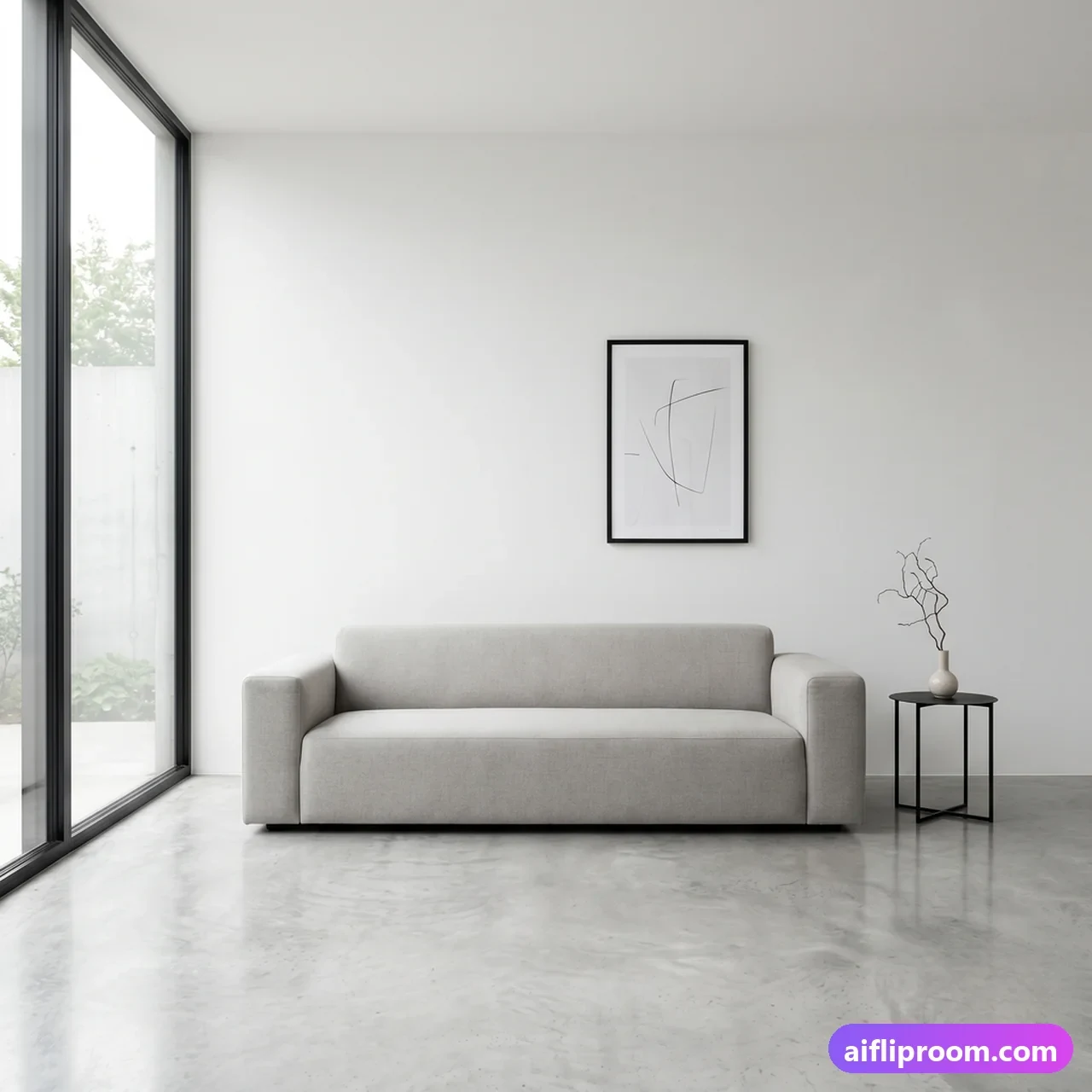
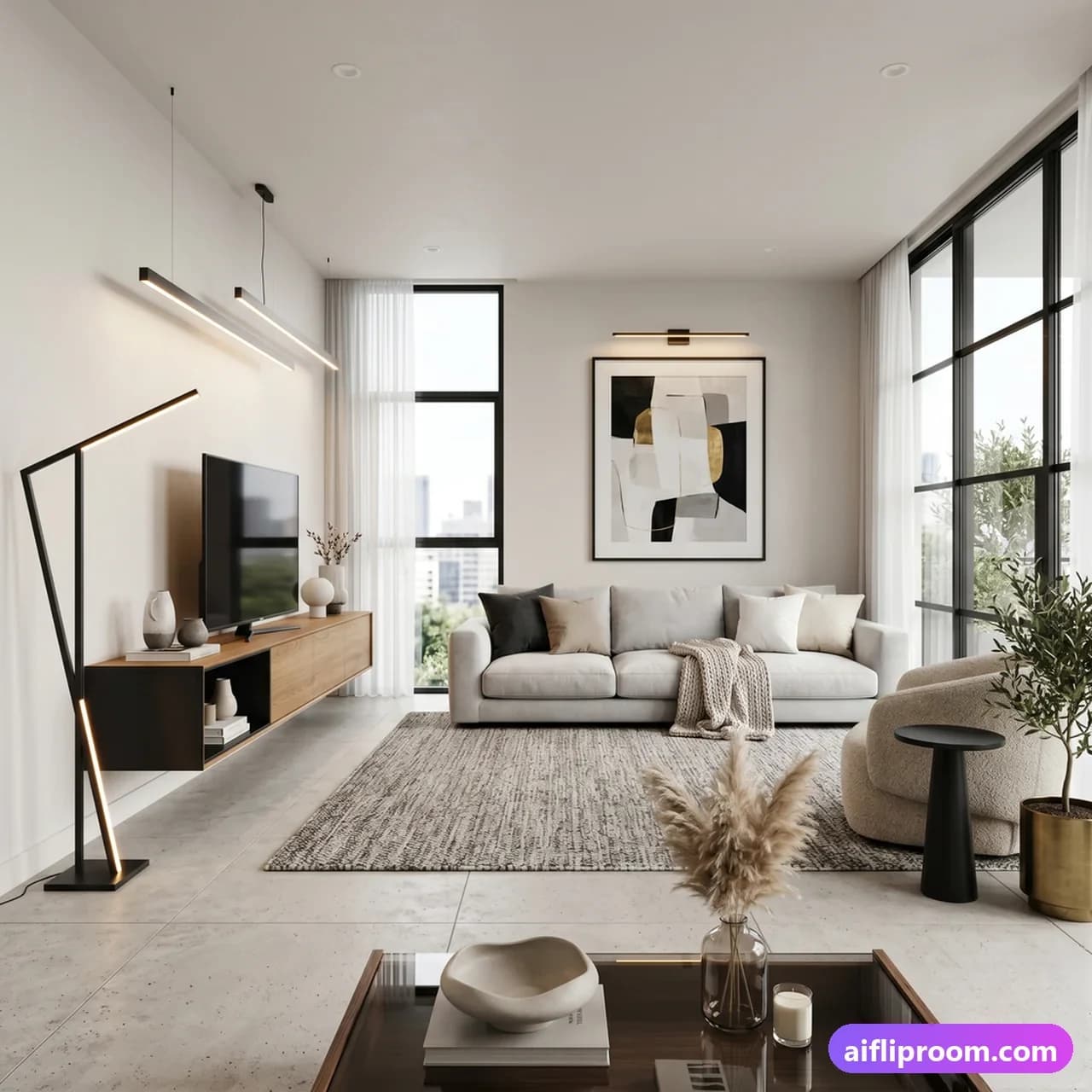
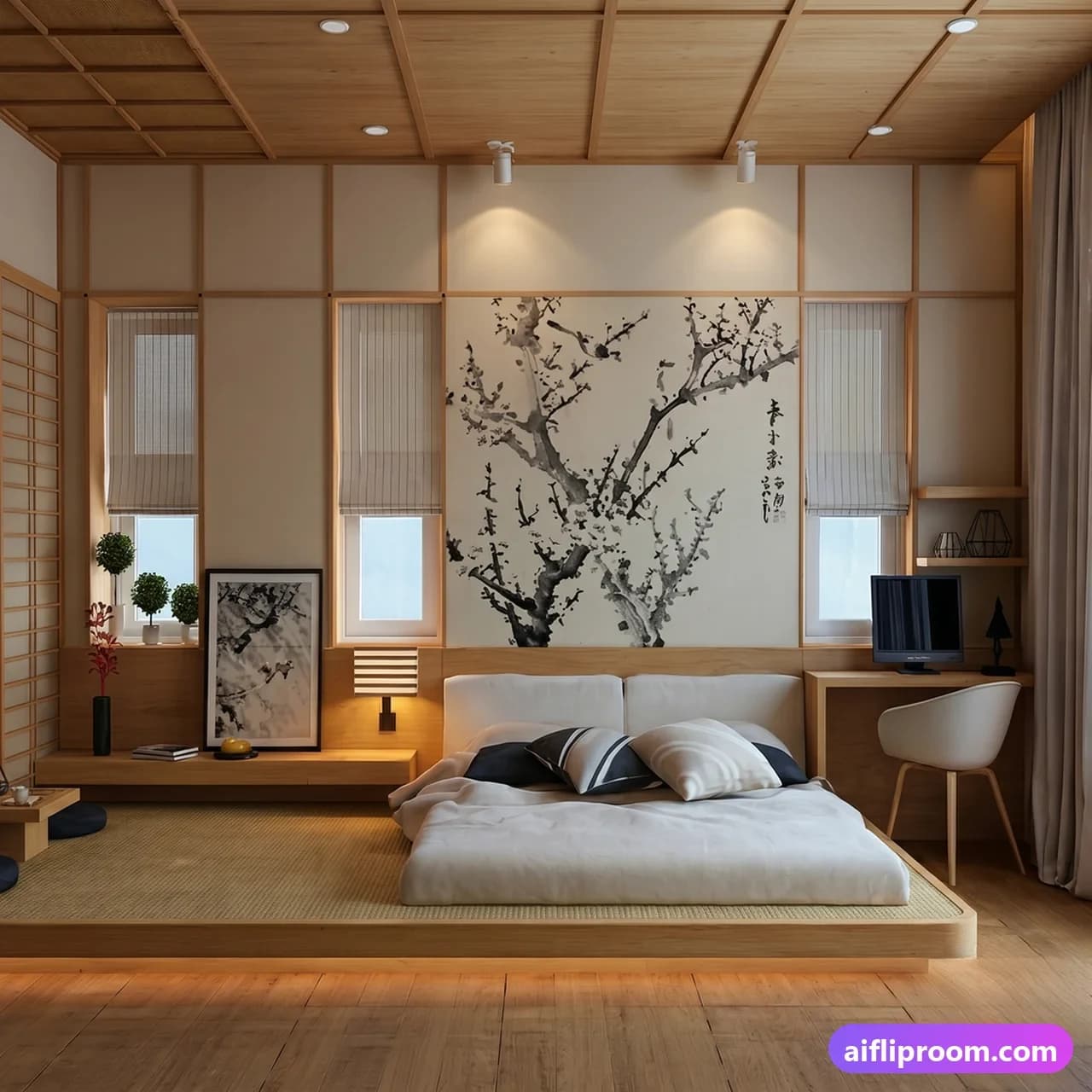
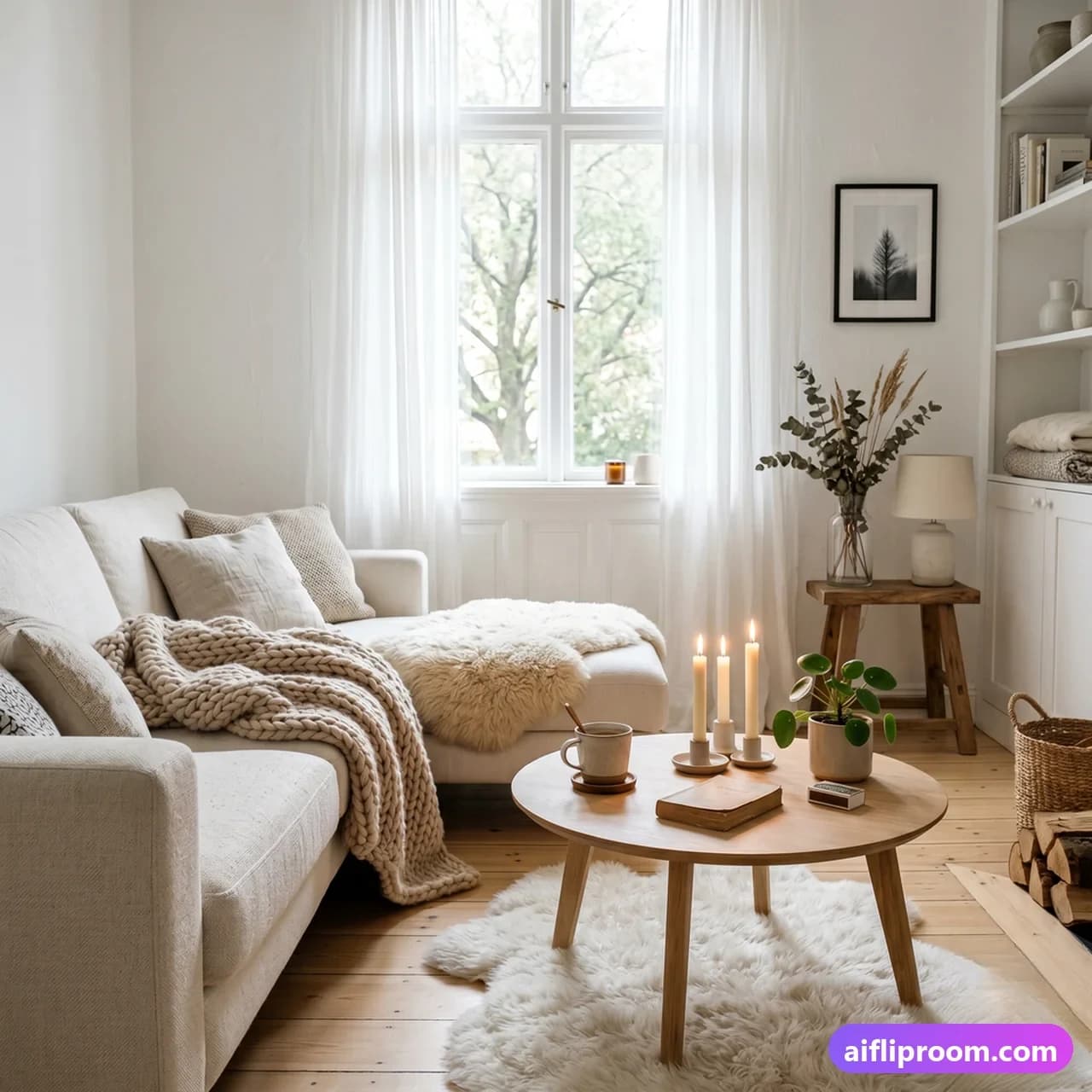
Luxury Interior Design
Marble surfaces, gold accents, high-end furniture, opulent atmosphere.
Stage your room in Luxury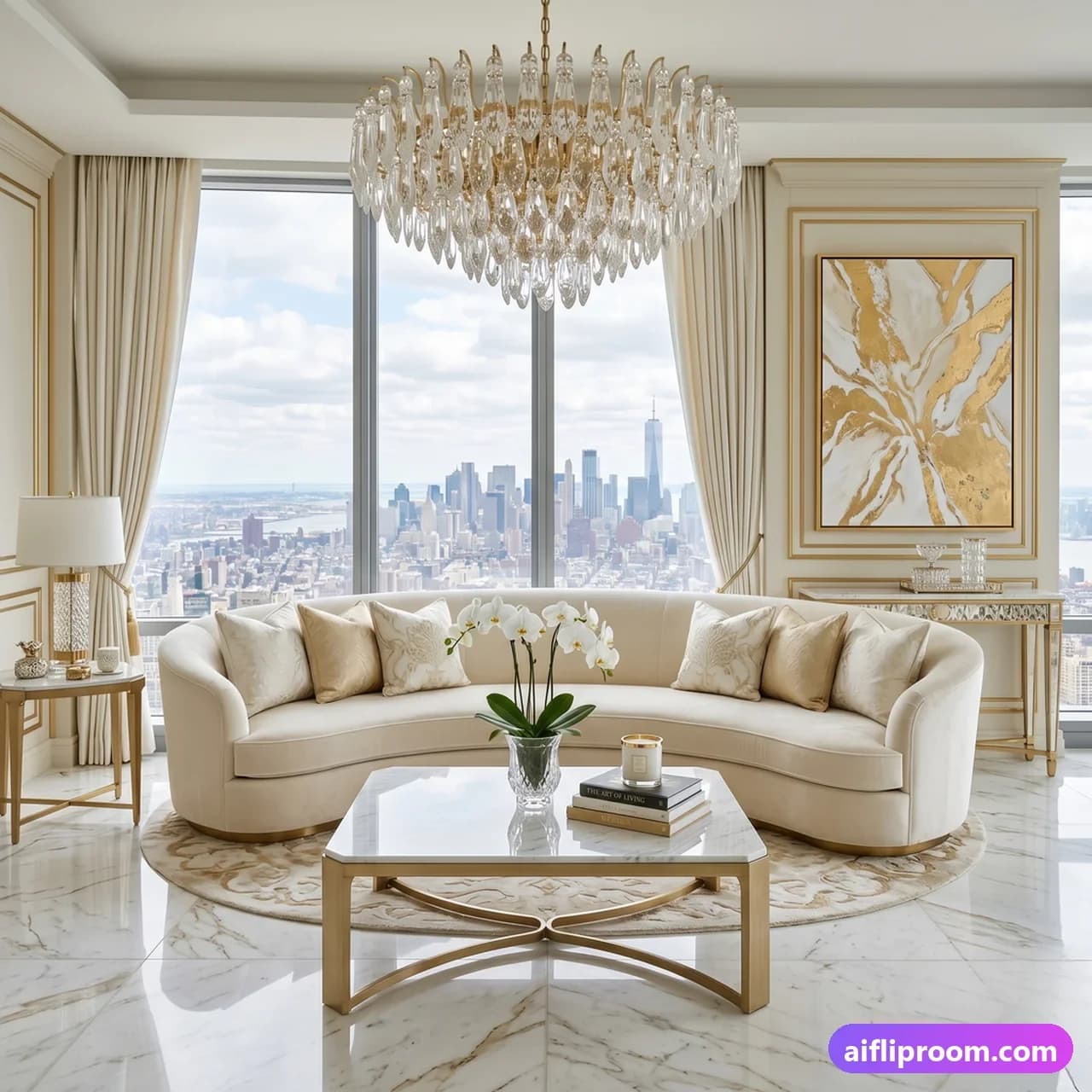
What is Luxury interior design?
Luxury interior design is about signalling quality, comfort and craftsmanship without restraint. It leans on materials that feel inherently rich — marble and natural stone, polished metals, hardwoods, glass — and on a sense of generous proportion, where nothing feels cramped or compromised. Gold and brass accents catch the light; statement chandeliers and sculptural lamps anchor each room; textiles are layered and tactile, from velvet to silk to deep wool. The palette is cohesive and considered rather than loud — luxury is as much about discipline as it is about opulence. Every finish is deliberate, and the overall effect is one of effortless, confident comfort. In staging, a luxury treatment helps a higher-end listing justify its price: it lets buyers picture an aspirational lifestyle and makes the property feel like a destination rather than just a place to live.
Where Luxury comes from
Luxury is less a period than a set of decisions about material and proportion, and the version most people picture today owes a great deal to twentieth-century hotel and apartment design — the moment when marble, mirror, velvet and brass stopped being aristocratic and started being aspirational. What separates genuine luxury from expensive-looking is restraint. Historically, wealth showed itself in the quality of a single material and the amount of space around it: one book-matched stone slab, one properly proportioned room, one very good chair. The rooms that fail are the ones that read luxury as quantity, and they are recognisable instantly because every surface is competing for the same attention.
Key elements of Luxury
- Marble and natural stone surfaces
- Gold and brass metal accents
- Statement chandeliers and sculptural lighting
- Layered, tactile textiles — velvet, silk, wool
- High-end statement furniture
- A rich but cohesive, disciplined palette
When to use Luxury
Higher-end listings, primary suites and living rooms where you want to justify a premium price and project an aspirational lifestyle.
Luxury colours and materials
Deep and warm rather than bright. Cream, taupe, mushroom and greige as the base, with charcoal, chocolate, deep green, navy or oxblood for depth. Metallics are the accent — brushed brass, champagne gold, occasionally polished nickel — used on lighting, hardware and frames rather than on furniture. Materials matter more than colour: marble with real veining, velvet, silk, high-grade leather, lacquered or burled wood, boucle. The one discipline that keeps it from tipping over is limiting the metals to a single family per room and letting the stone or the velvet be the loudest thing present.
Luxury room by room
Living room in Luxury
A deep velvet or high-grade leather sofa, a marble or stone coffee table, and a pair of sculptural armchairs arranged for conversation rather than for a television. Layer a large wool or silk-blend rug under the whole arrangement — furniture floating on bare floor is the fastest way to lose the effect. Lighting is where the money shows: one statement fixture overhead, plus table lamps and a wall wash so the room has depth after dark. Keep the accessories few and large. Three substantial objects outperform fifteen small ones every time.
Bedroom in Luxury
An upholstered headboard running close to the full width of the wall, layered bedding in high-thread cotton or linen with a velvet or cashmere throw folded across, and matching bedside tables with lamps of real presence. A bench at the foot of the bed and floor-to-ceiling curtains in a heavy fabric, hung well above the window frame, do more for the sense of luxury than any decorative item. If there is space for a chair and a small table by the window, take it — the suggestion that the room is bigger than it needs to be is exactly the point.
Kitchen in Luxury
A stone island with a waterfall edge, full-height cabinetry in a deep colour or lacquered finish, integrated appliances and a book-matched stone splashback. Brass or champagne hardware, and pendants that look like light fixtures rather than kitchen equipment. Luxury kitchens are defined by what is hidden: a second prep area, a pantry, appliance garages. The visible surfaces should be beautiful and almost empty.
Bathroom in Luxury
This is the room where the style is most convincing and most affordable to fake well. Large-format marble or marble-effect porcelain, a freestanding tub if the space allows, a floating stone-topped vanity, and a large backlit mirror. Fittings in brushed brass or matt black, all matching. Add a bench or stool, folded towels of real weight and one plant. Lighting at face height rather than only overhead is what separates a hotel bathroom from a normal one.
Dining room in Luxury
A stone or high-gloss table, upholstered chairs with arms, and a chandelier or linear fixture sized generously — the most common mistake in this room is a light fitting two sizes too small. A sideboard in a deep lacquer or burled wood, one large artwork, and nothing on the table but a single sculptural object. Dimmers are not optional; the room has to work at full brightness and at candlelight.
Luxury mistakes to avoid
- Reading luxury as quantity. Gold on the hardware, the mirror frame, the lamp, the table and the cushions is not five times as luxurious — it is a room with no focal point.
- Mixing metal finishes at random. One family per room: brass, or nickel, or black. A deliberate second metal can work, but only if it is clearly deliberate.
- Undersizing the lighting and the rug. Both are the most common giveaways in photographs — a small pendant and a rug that does not reach under the furniture make an expensive room look cheap.
- Cheap imitations of expensive materials. Convincing marble-effect porcelain and a good velvet are fine; thin gold-effect trim and printed marble laminate read instantly as what they are.
- Forgetting comfort. Silk cushions on a sofa nobody wants to sit on is a showroom. The best luxury rooms are physically comfortable first.
Luxury questions, answered
How do you make a room look expensive on a budget?
Four things, in order of impact. Curtains hung high, wide and floor-length in a heavy fabric. A rug large enough that the front legs of all the furniture sit on it. Lighting at three levels with dimmers, replacing the single ceiling fixture. And fewer, larger objects instead of many small ones. None of those require expensive furniture, and together they change a room more than any single purchase.
What is the difference between luxury and modern glam?
Luxury is quieter and leans on material quality — stone, velvet, leather, proportion — with metallics as an accent. Modern glam turns the metallics, the mirror and the sparkle up deliberately and is more theatrical about it. Luxury aims to look effortless; glam is happy to look styled.
Is marble necessary for a luxury interior?
No. Marble is a shortcut, not a requirement. Deep colour, generous curtains, layered lighting and good upholstery will read as expensive with no stone in the room at all. A single well-chosen stone surface has more effect than marble everywhere, which usually reads as a showroom.
What colours make a room feel luxurious?
Warm, deep and low-contrast: cream, taupe, mushroom and greige as a base, with charcoal, chocolate, deep green, navy or oxblood for depth. Stark white and cool grey tend to read as clean rather than rich. Metallic tones belong on fixtures and frames, not on walls.
Does luxury staging help sell a home?
It helps most in the price bracket that expects it, where the photographs need to justify the asking price. In a mid-market property it can backfire — buyers notice the mismatch between the staging and the house, and it reads as compensating. Staging should flatter the property it is actually attached to.
Guides to read next
Longer reads on getting a room photographed and restaged well.
- See Your Own Room in a New Style Before You Buy AnythingPreview your actual room in a new style before buying furniture or hiring anyone: what a preview settles, what it can't, and five steps to a useful one.
- How to Photograph Rooms for Virtual Staging: 7 RulesDaylight, lamps off, a level phone at chest height, the 1x lens not 0.5x, one room per frame, clear surfaces — seven habits that make AI staging look real.
- What Is Virtual Staging? The Complete Guide: How It Works, Cost, Rules, ExamplesVirtual staging explained in plain language: how AI furnishes a photo of a real room, what it costs, what agents think of it (NAR 2025), who it helps, the rules and how to spot bad staging.
See your room in Luxury
Upload a photo and our AI restages it in the Luxury look in 15–60 seconds, depending on how much detail your room has — keeping your walls, windows and layout intact.
Try Luxury on your room