Mediterranean Interior Design
Terracotta tiles, arched accents, blue and white palette.
Stage your room in Mediterranean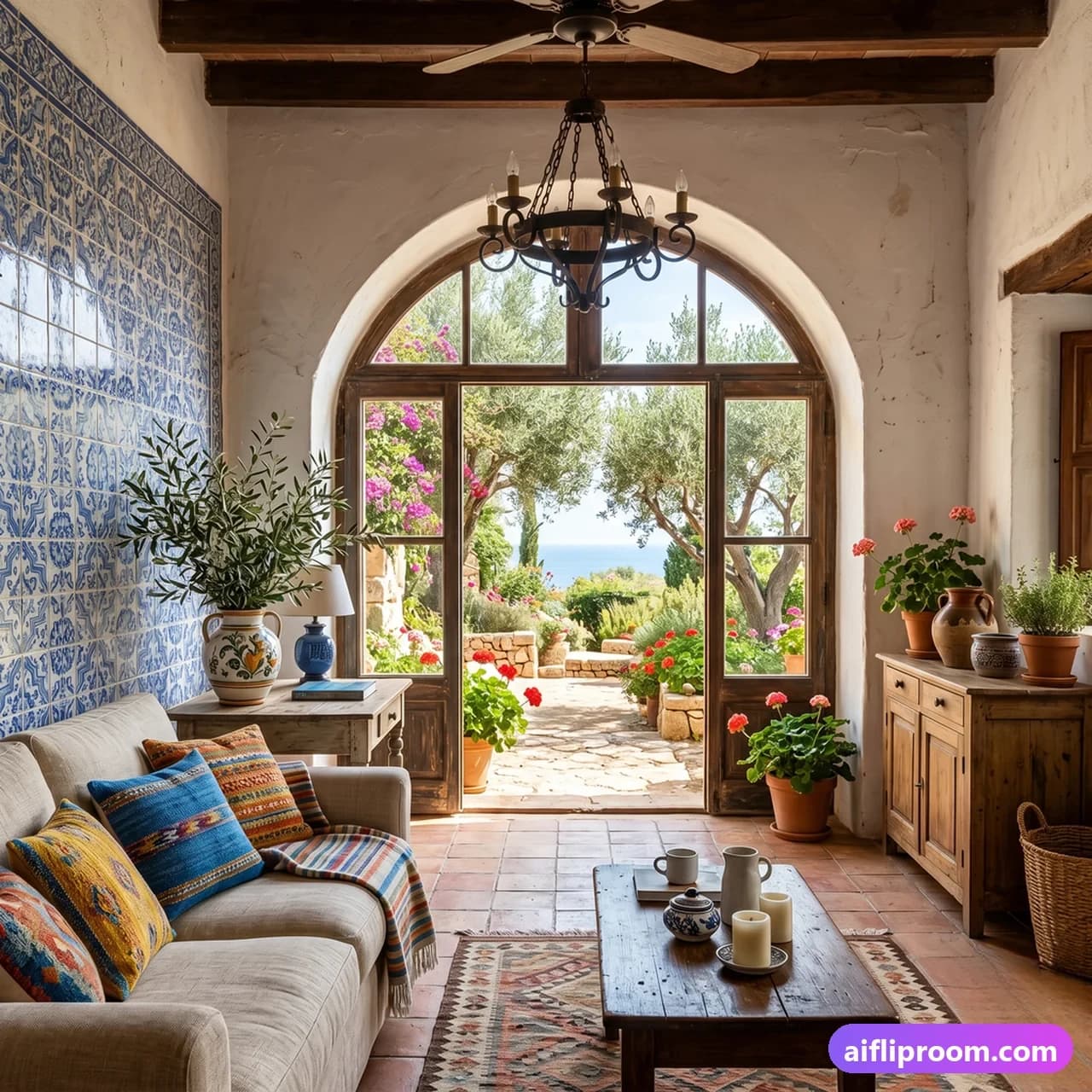
What is Mediterranean interior design?
Mediterranean style draws on the sun-drenched homes of Spain, Italy and Greece, where architecture and climate have shaped a warm, relaxed way of living for centuries. The look is built on earthy materials — terracotta tile, warm plaster walls, natural stone — and on architectural features that move with the sun, especially arched doorways and windows. The palette is warm and grounded, with ochre, sand and clay tones lifted by the blues and whites of the sea and sky. Wrought-iron details, natural wood and woven textures add craft and texture, while the styling stays unfussy and sun-washed rather than polished. The overall feeling is hospitable and unhurried. For real-estate photos, Mediterranean staging is a natural fit for warm-climate properties and villa-style architecture, and it gives any room a sense of warmth, character and easy, outdoor-leaning living.
Virtual staging in Mediterranean: before and after
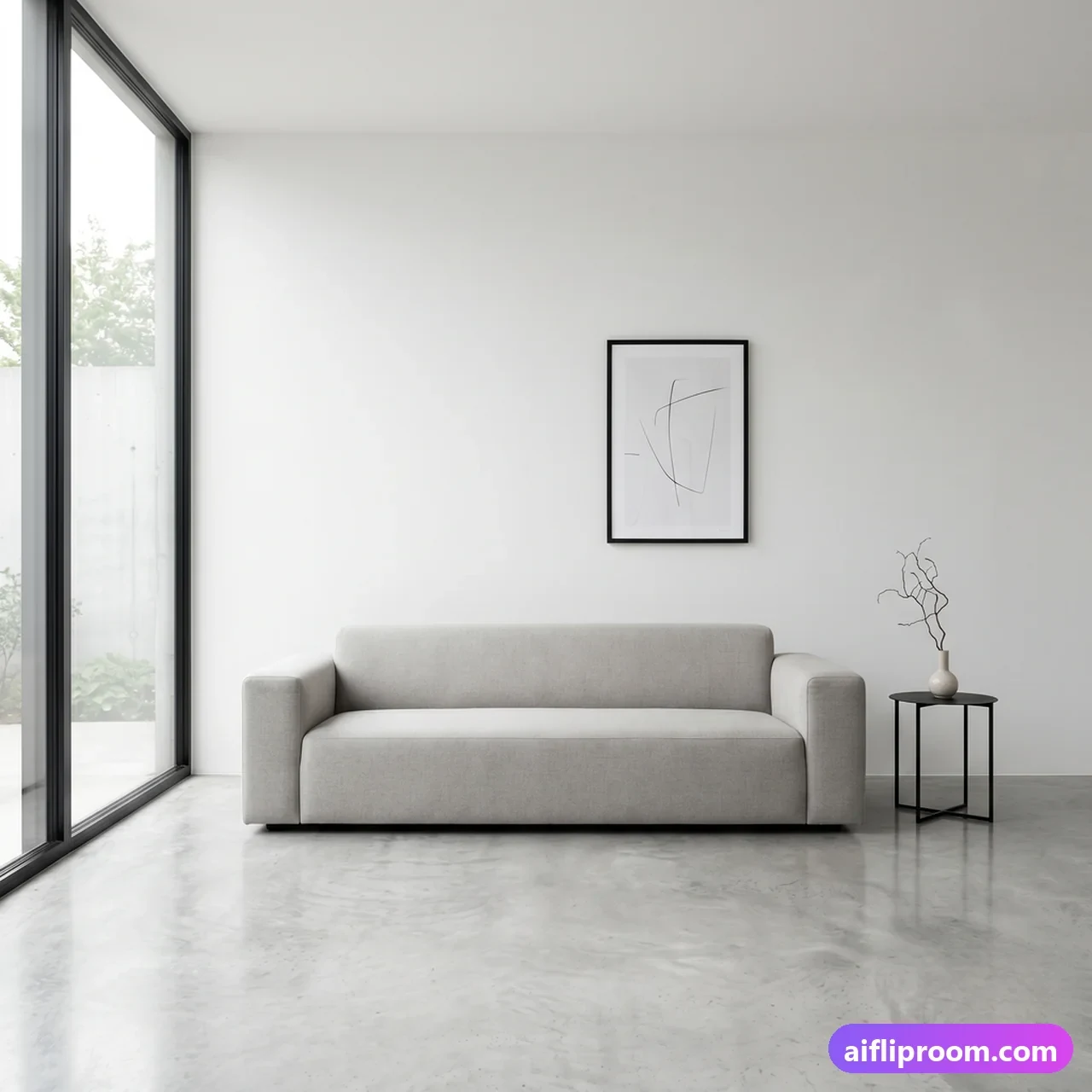
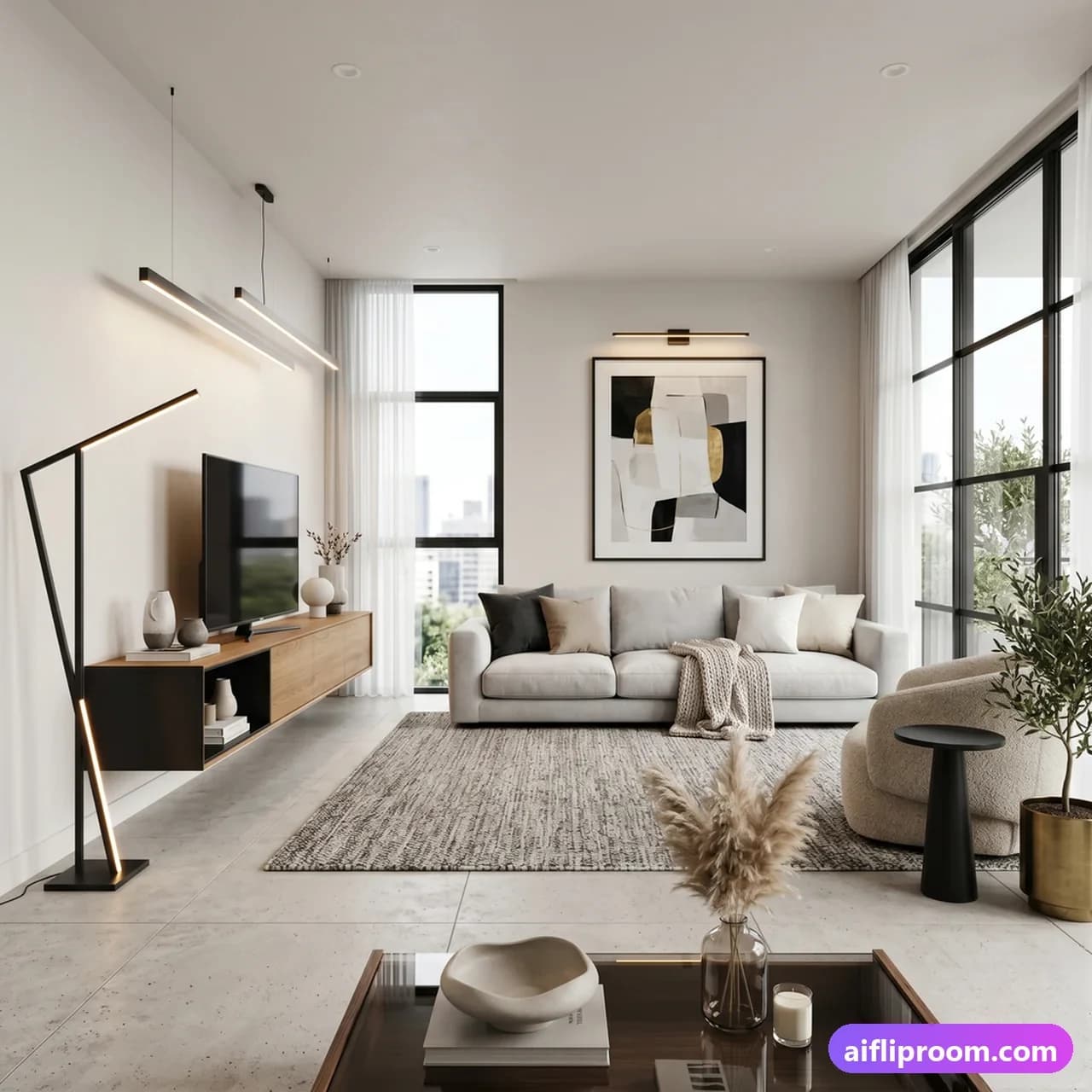
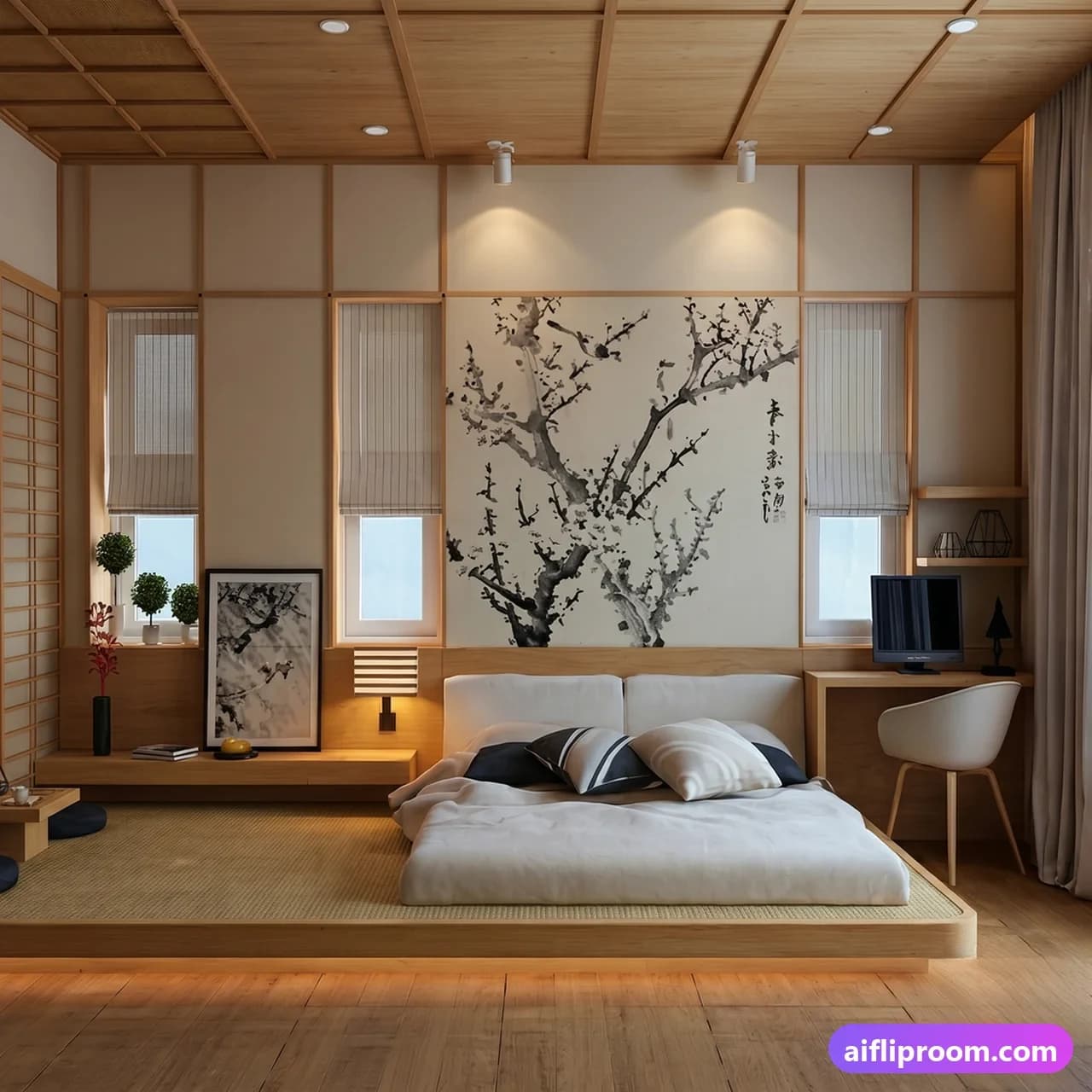
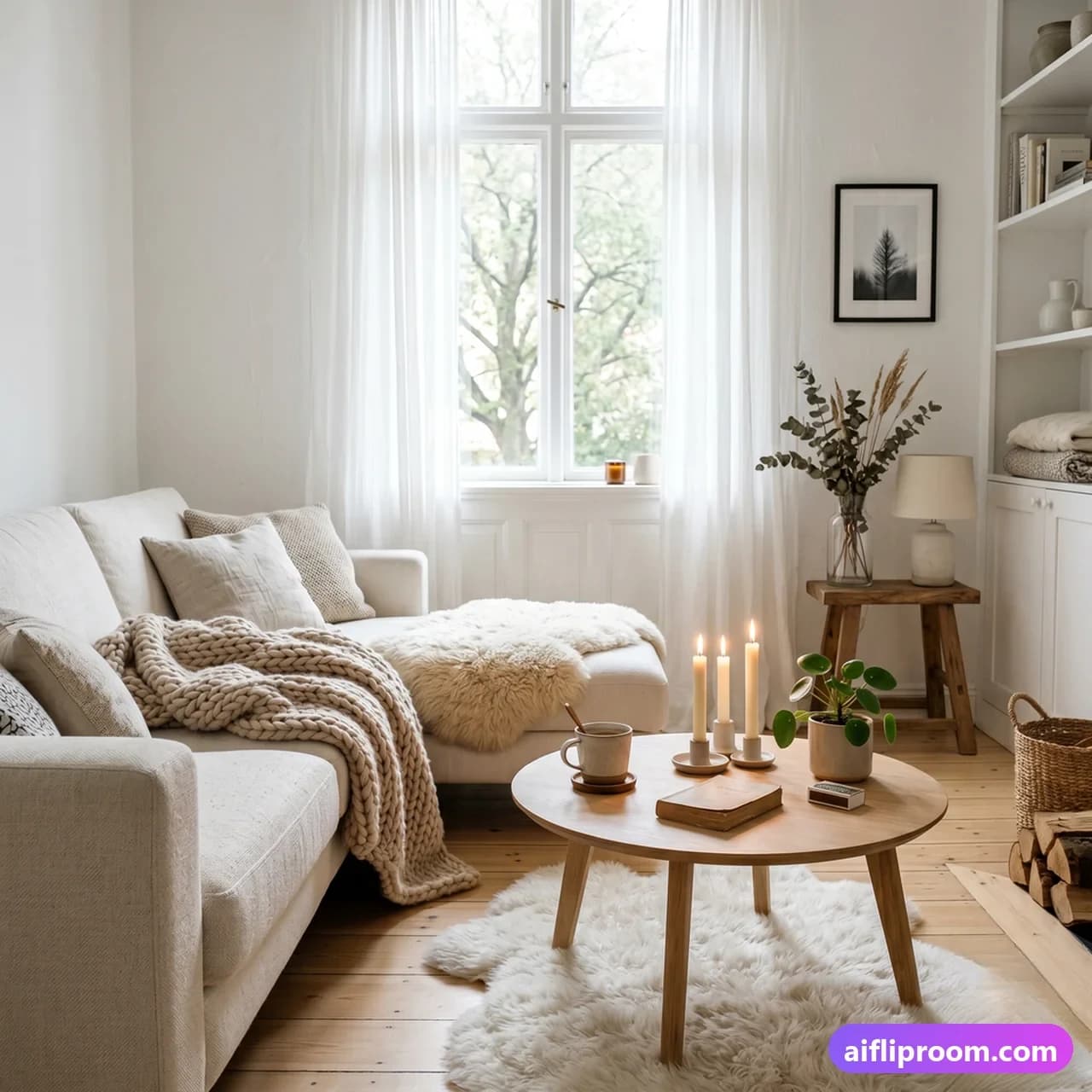
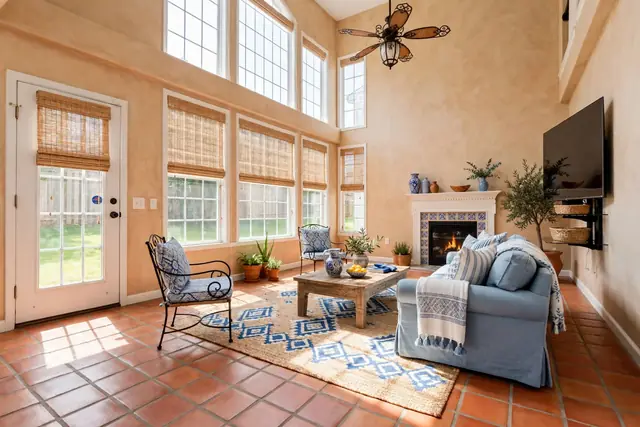
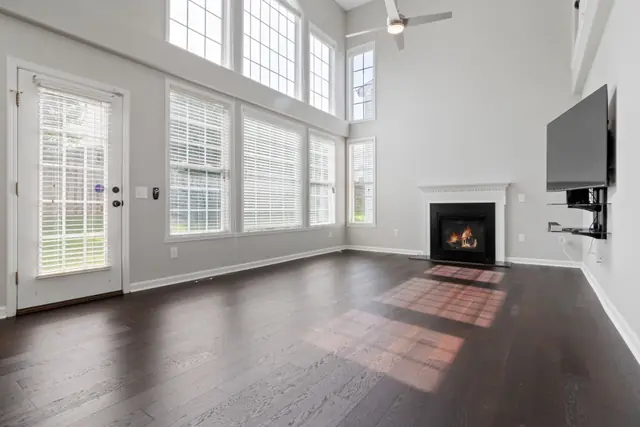
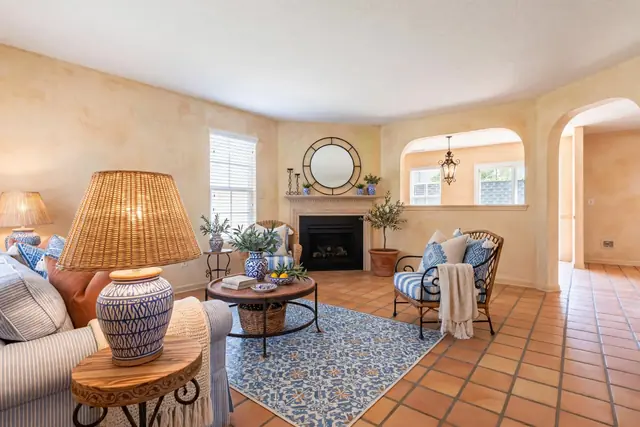
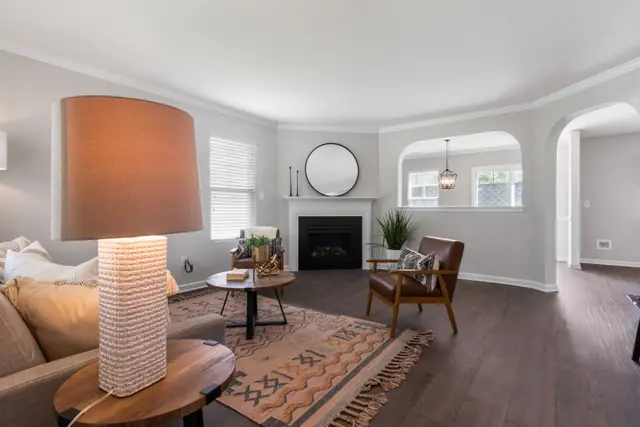
Mediterranean staging warms a room with colour and texture: sand and ochre plaster, terracotta tiles, blue-and-white ceramics, wrought-iron and rattan chairs and linen slipcovers. In both rooms below, the windows, doors, arches and fireplace stay in place and every passage stays clear. The plaster walls and the terracotta floor are finish changes, right for planning a makeover; a listing photo should keep the floor as photographed.
Using a staged photo in a listing? Our free disclosure wording tool gives the label your MLS asks for.
Where Mediterranean comes from
Mediterranean interiors are the product of heat. Thick masonry walls kept houses cool through the afternoon, small deep-set or arched windows limited direct sun while keeping the light soft, and terracotta and stone floors stayed comfortable underfoot without any need for carpet. Whitewashed lime walls reflected heat and were cheap to maintain. Courtyards, terraces and shaded outdoor rooms mattered as much as the interior because most of life happened there. Spain, southern Italy, Greece and the North African coast each developed their own variation, but the shared logic is the same, and it is why the style still feels calm: every element was originally a way of handling strong light and high temperatures.
Key elements of Mediterranean
- Terracotta tile and warm plaster walls
- Arched doorways and windows
- A warm earthy palette with blue and white accents
- Wrought-iron details
- Natural wood and woven textures
- Sun-washed, unfussy styling
When to use Mediterranean
Living rooms, kitchens and outdoor-adjacent spaces. Especially effective for warm-climate properties and villa-style architecture.
Mediterranean colours and materials
Sun-bleached and warm. Whitewash and cream as the base, then terracotta, ochre, sand and olive, with the blues of the sea used as accents — from pale aegean to a deep cobalt in tile. Materials are earthen and tactile: lime plaster, terracotta tile, travertine and limestone, unglazed ceramic, rattan, olive and chestnut wood, wrought iron. Patterned tile is the one place where the style permits itself boldness, usually on a floor, a stair riser or a splashback. Glossy finishes and cool greys have no place here; every surface should look as though it has been in the sun for a while.
Mediterranean room by room
Living room in Mediterranean
Keep the walls plain and textured — lime plaster or a limewash paint, ideally with a soft irregular finish. Low, comfortable seating in white or oatmeal linen with slipcovers, a chunky wooden or travertine coffee table, and a woven rug over a tile or stone floor. Arched niches or an arched doorway if the architecture allows one. Add olive branches or a large potted plant, a few unglazed ceramic vessels, and wrought-iron or rattan light fittings. The room should feel cool and slightly under-furnished.
Kitchen in Mediterranean
Plastered or tiled walls, open shelving in olive or chestnut wood, and a worktop in a warm stone. Hand-painted or zellige-style tile behind the range is the signature move, and a single band of it does more than covering a whole wall. Copper and terracotta cookware left out, a hanging bunch of herbs, a heavy wooden chopping board. Cabinet fronts in a soft olive, clay or a warm off-white with simple iron hardware.
Bedroom in Mediterranean
White linen bedding, a simple timber or iron bed, and a plastered wall behind it — an arched headboard shape painted directly onto the wall is an inexpensive and very characteristic detail. Shuttered windows if possible, otherwise plain linen curtains. A terracotta floor with a small flat rug beside the bed, a rattan pendant or a pair of simple wall lights, and one ceramic vase. The room wants to feel cool and bare rather than layered.
Bathroom in Mediterranean
Microcement, tadelakt or plaster on the walls, a stone or ceramic basin, and aged brass fittings. Patterned encaustic tile on the floor is the classic choice and the room can carry it because everything else stays plain. A niche instead of shelves, a wooden stool, linen towels, a single plant. Arched mirrors and arched shower openings are the details that identify the style instantly.
Outdoor space in Mediterranean
Arguably the most important room in the style. A shaded terrace with a pergola, vines or a canvas canopy, a long wooden table for eating outside, and simple chairs or a built-in bench with cushions. Terracotta pots in several sizes holding olive, lemon, rosemary and lavender. Stone or tile underfoot, lanterns for the evening, and as little furniture as the space can get away with.
Mediterranean mistakes to avoid
- Flat, uniform wall paint. The texture of lime plaster or limewash is half the style; a perfectly even matt emulsion loses the depth that makes the light look right.
- Cool white instead of warm. Mediterranean whites are creamy and slightly yellow. A blue-white reads as clinical and kills the sun-drenched quality entirely.
- Patterned tile everywhere. One surface — a floor, a splashback, a stair — is a feature. Three competing patterns is a showroom.
- Ignoring the outdoor space. A Mediterranean interior with no relationship to a terrace, balcony or courtyard is missing the part the whole style was built around.
- Using orange terracotta as a paint colour. The tone is dusty and earthen, not bright. Test it against sand and cream rather than on its own.
Mediterranean questions, answered
What colours define Mediterranean interior design?
A warm white or cream base with terracotta, ochre, sand and olive over it, plus sea blues as accents. The palette should look faded by sunlight rather than freshly mixed — every colour is a couple of shades softer than its pure version.
What is the difference between Mediterranean and Tuscan style?
Tuscan is one regional branch of the broader Mediterranean family and is heavier: deeper reds and golds, more ornate ironwork, darker timber, more elaborate furniture. The wider Mediterranean look — particularly its Greek and Spanish coastal versions — is lighter, plainer and more whitewashed.
Can I get the look without arched windows?
Yes. Arches can be introduced as niches, mirrors, a painted headboard shape or an internal doorway, and none of that requires structural work. Even without any arch at all, textured plaster walls, a warm palette, terracotta and rattan will carry the style.
What flooring suits a Mediterranean interior?
Terracotta tile first, then travertine, limestone or a warm-toned natural stone. Wide-plank timber in a pale, dry finish works in bedrooms. What breaks it is anything glossy, grey or heavily varnished — the floor should look cool and slightly chalky.
Is Mediterranean style good for staging a property?
It photographs beautifully in bright rooms and suits warm-climate properties, holiday homes and anything with stone, plaster or outdoor space. In a dark northern flat it can look like an aspiration rather than a fit. Where it does suit the building, it is one of the most inviting styles available.
Guides to read next
Longer reads on getting a room photographed and restaged well.
- See Your Own Room in a New Style Before You Buy AnythingPreview your actual room in a new style before buying furniture or hiring anyone: what a preview settles, what it can't, and five steps to a useful one.
- How to Photograph Rooms for Virtual Staging: 7 RulesDaylight, lamps off, a level phone at chest height, the 1x lens not 0.5x, one room per frame, clear surfaces — seven habits that make AI staging look real.
- What Is Virtual Staging? The Complete Guide: How It Works, Cost, Rules, ExamplesVirtual staging explained in plain language: how AI furnishes a photo of a real room, what it costs, what agents think of it (NAR 2025), who it helps, the rules and how to spot bad staging.
See your room in Mediterranean
Upload a photo and our AI restages it in the Mediterranean look in 15–60 seconds, depending on how much detail your room has — keeping your walls, windows and layout intact.
Try Mediterranean on your room