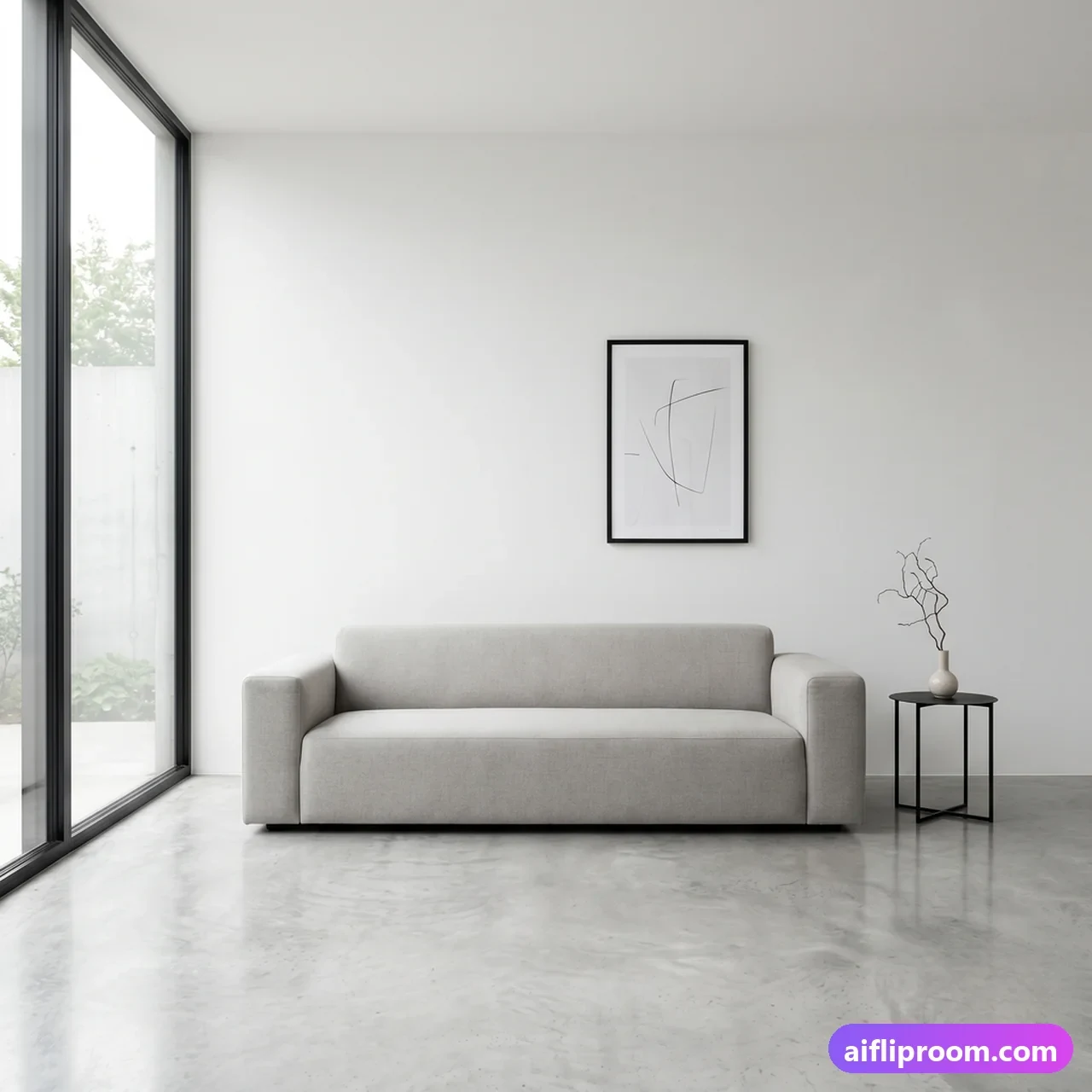
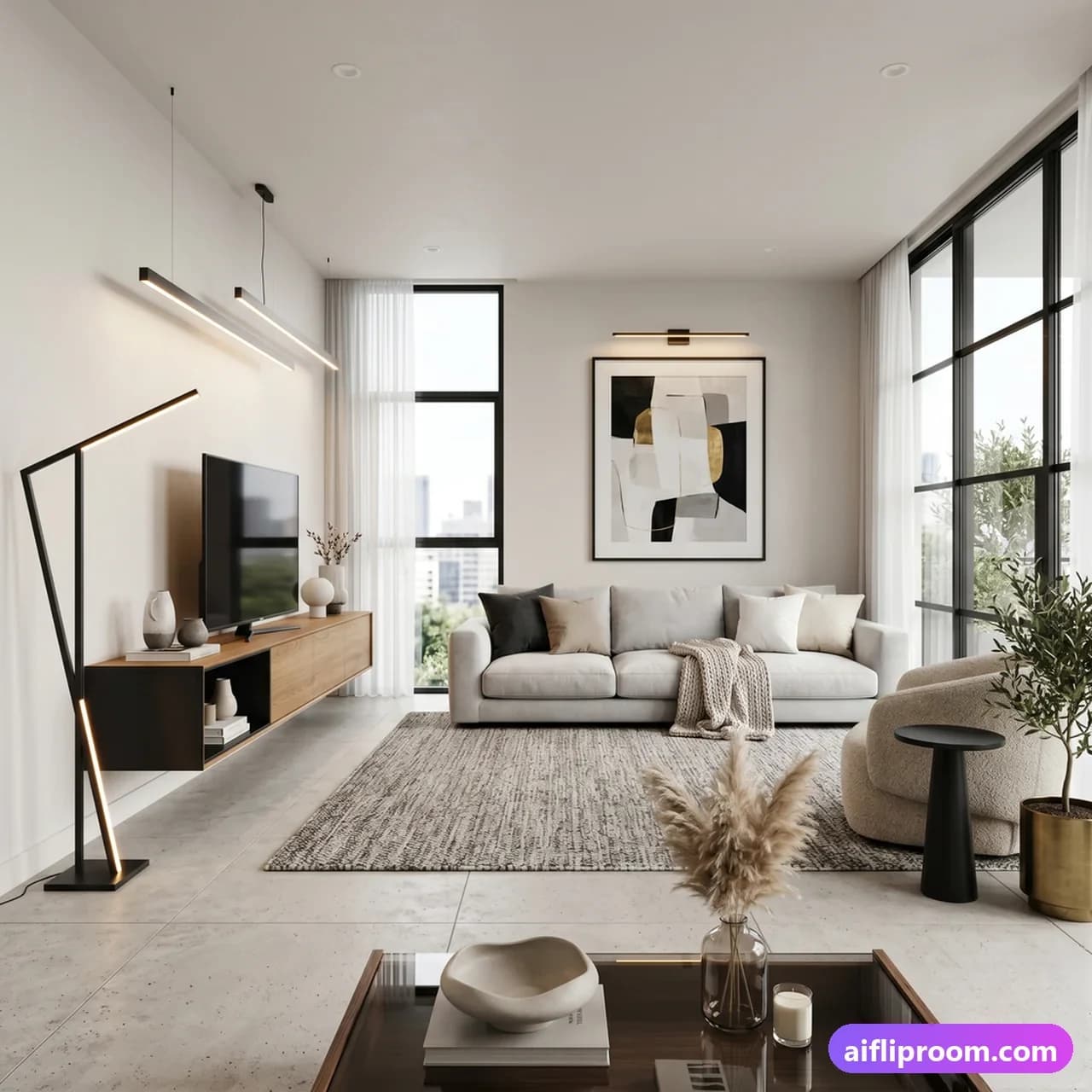
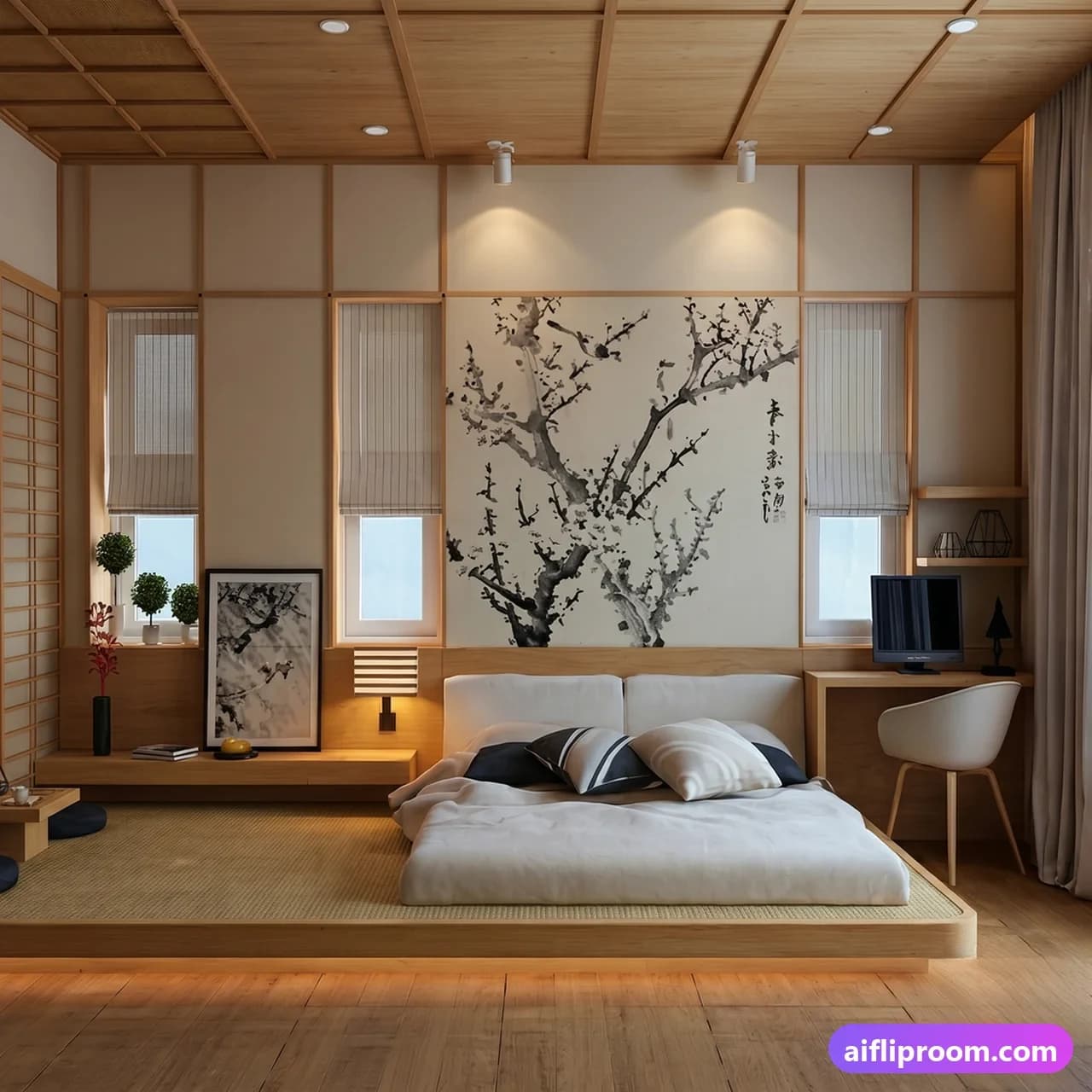
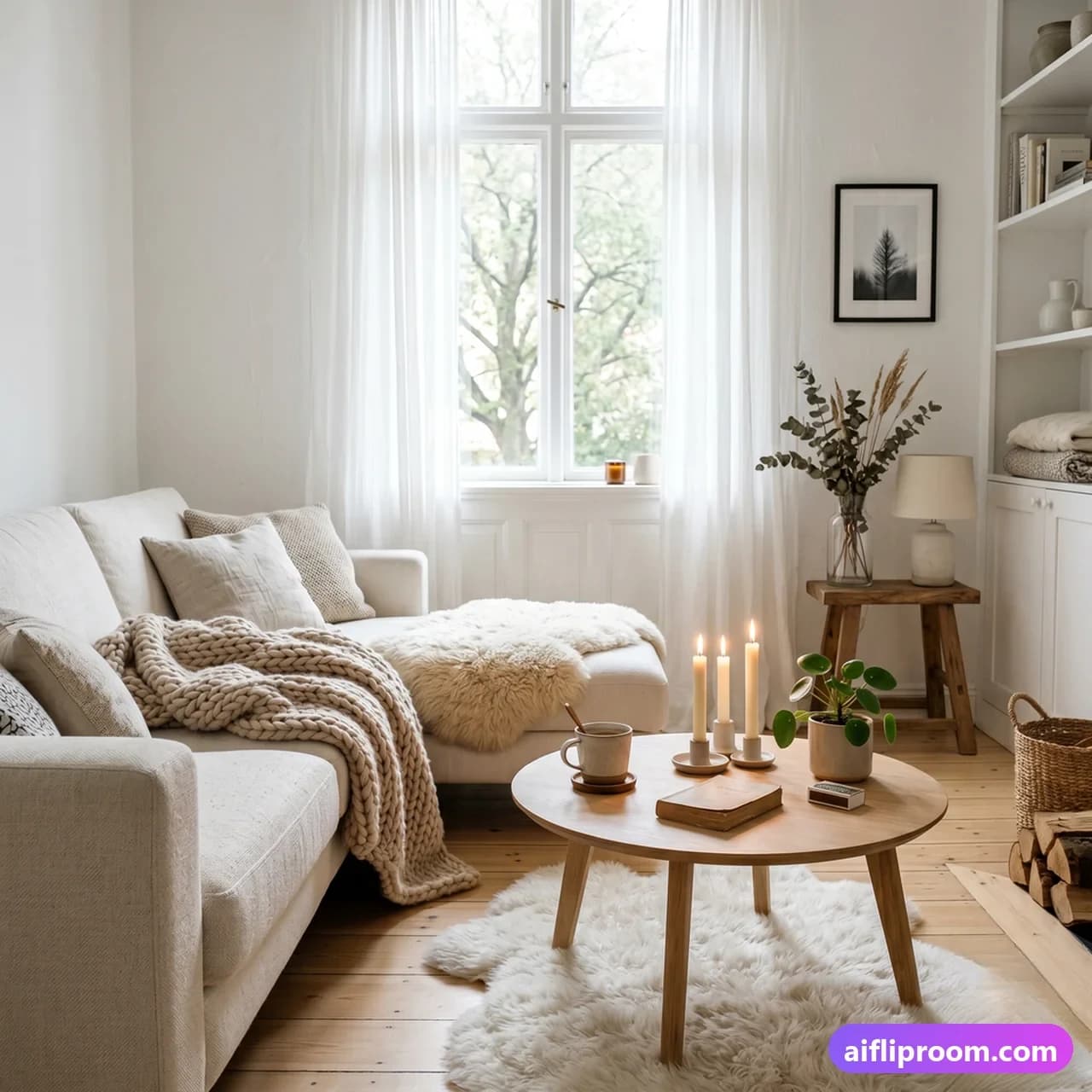
Spa Bath Interior Design
Minimalist spa-style bathroom — freestanding tub, vessel sink, polished stone.
Stage your room in Spa Bath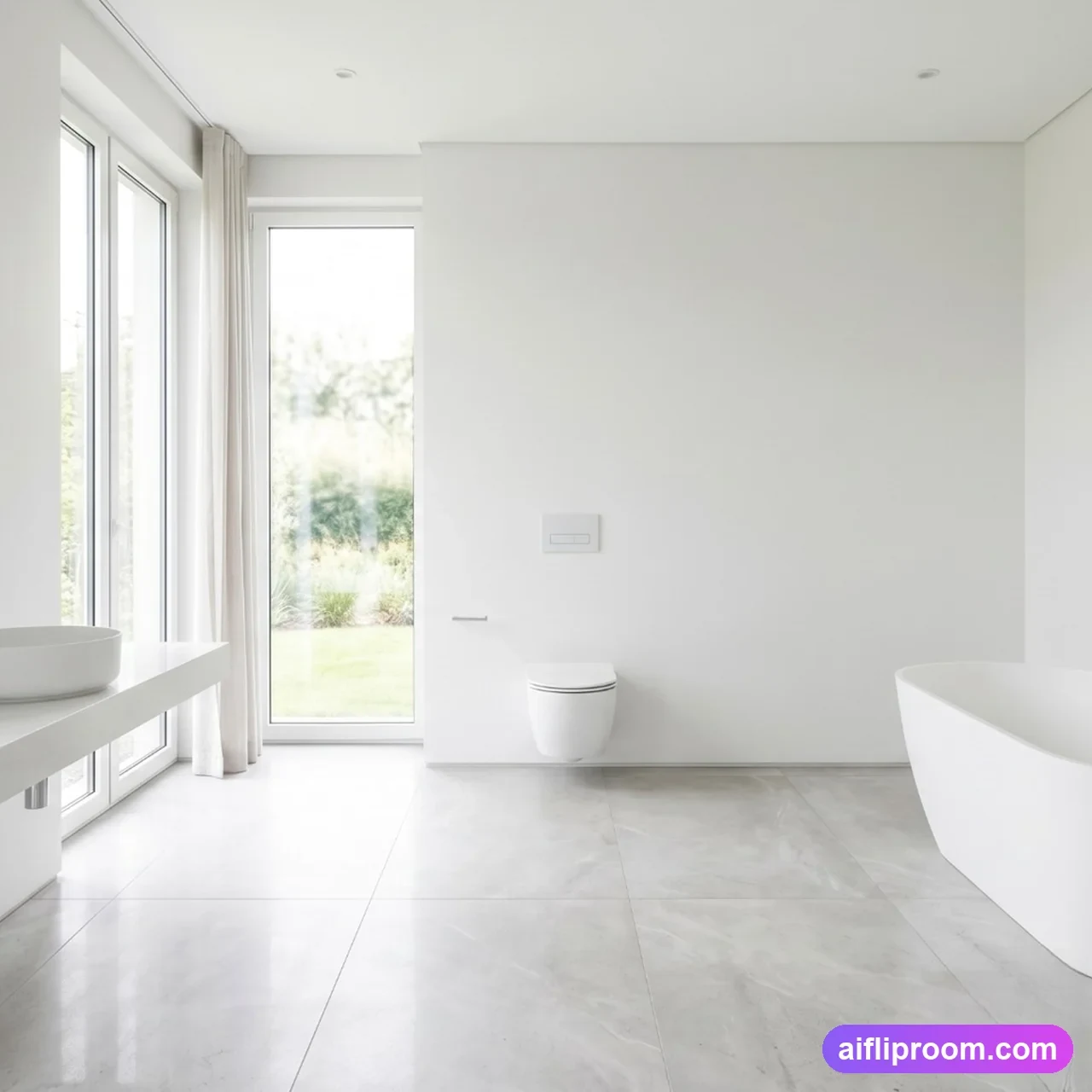
What is Spa Bath interior design?
Spa Bath is a bathroom-specific style with one job: turn an ordinary bathroom into a serene, hotel-spa retreat. Everything about it is chosen for calm. A freestanding, sculptural bathtub becomes the centrepiece; natural stone and large-format tile give the room a quiet, seamless backdrop; the palette stays soft and neutral so nothing jars. A wall-hung vanity with a vessel sink keeps the floor visually open, and lighting is soft and diffused rather than harsh. Styling is minimal and deliberate — a single plant, neatly rolled towels, a stone tray — the kind of restraint you see in a good hotel. The result feels clean, considered and restful. In staging, an updated, spa-like bathroom punches above its weight: bathrooms are a make-or-break room for many buyers, and a calm, high-end treatment can lift the perceived value of the whole property.
Where Spa Bath comes from
The spa bathroom is a fairly recent idea. For most of the twentieth century a domestic bathroom was a utility room — small, tiled, efficient and not somewhere anyone lingered. What changed was partly hotels, which discovered that a generous bathroom was the single detail guests remembered, and partly the older bathing traditions those hotels were borrowing from: the Japanese soaking bath, the Turkish hammam, the Nordic sauna and cold plunge. All three treat washing as something you spend time on rather than get through. The domestic version keeps the materials and the calm and drops the ritual, which is why the whole look can be reproduced in an ordinary room provided you solve two things — storage and light.
Key elements of Spa Bath
- A freestanding, sculptural bathtub as the centrepiece
- Natural stone and large-format tile
- A soft, calm neutral palette
- A wall-hung vanity with a vessel sink
- Soft, diffused lighting
- Minimal, hotel-like styling — a plant, a stone tray
When to use Spa Bath
Bathrooms only. Ideal for listings where an updated, spa-like bathroom can lift the perceived value of the whole property.
Spa Bath colours and materials
Almost entirely neutral and entirely warm. Stone, sand, greige, bone and soft taupe, with a deeper charcoal or timber tone for grounding. Green appears only in the plants. Materials carry the interest: large-format stone or stone-effect porcelain, microcement or tadelakt, honed marble, timber in teak, oak or walnut, and matt ceramic. Metals are brushed brass, bronze or matt black rather than chrome. Everything is matt, because gloss is what makes a bathroom read as clinical. If the room can only have one indulgence, make it a natural material at scale rather than a decorative object.
Spa Bath room by room
The bath in Spa Bath
A freestanding tub is the image most people have, and it is worth being honest that it needs floor area, a good tap arrangement and somewhere within reach to put a cup. Where the room cannot take one, a built-in bath with a stone or timber surround and a deep niche delivers most of the same feeling for less space. Position it away from the door if there is any choice, and give it something to look at — a window, a plant, a lit niche — because the whole point is spending time in it.
The shower in Spa Bath
A walk-in with a large rainfall head, a second handheld, and a bench if the footprint allows. Large-format tile or microcement to keep grout lines down, a linear drain, and a recessed niche rather than shelves or a hanging caddy. A timber duckboard underfoot is the cheapest thing on this page and one of the most effective. Glass should be clear and frameless or slim-framed; a heavy frame is what makes a good shower look ordinary.
Vanity and storage in Spa Bath
The unglamorous half of the style and the half that decides whether it works. A spa bathroom contains almost no visible objects, which is only possible if there is a drawer for everything. Choose a vanity with real internal storage, add a mirror cabinet or a concealed niche, and give the counter one tray with three things on it. Undermount or vessel basin in stone or matt ceramic, and a wide mirror lit from the sides at face height.
Light and air in Spa Bath
Layered lighting is what separates a spa from a well-tiled bathroom. Something soft and warm at low level for the evening, something adequate at face height for actual use, and a dimmer on both. Candles or a warm strip under a floating vanity finish it. Ventilation matters as much: a quiet extractor and, if possible, an openable window, because a beautiful bathroom that stays damp is neither pleasant nor durable.
The finishing layer in Spa Bath
Thick cotton or linen towels in one colour, a wooden stool or bath tray, a stone dish, and two or three plants that like humidity — ferns, calathea, orchids, pothos. That is the complete list. The discipline of a spa bathroom is that almost nothing is out, so each item that survives the edit should be genuinely good.
Spa Bath mistakes to avoid
- Nowhere to put anything. This is the failure that undoes every other decision. Plan storage first and the calm follows.
- Cool white light. The same room at 4000K and at 2700K reads as a clinic and as a retreat. Warm bulbs and a dimmer are the cheapest upgrade available.
- Gloss everywhere. High-shine tile and chrome are what make a bathroom feel institutional. Matt surfaces and unpolished metal do the opposite.
- A freestanding tub in a room too small for it. Squeezed in, it makes the room feel cramped and the tub awkward to clean around. A well-detailed built-in bath is the better answer in a normal bathroom.
- Fake plants and scented sprays. Living plants and good ventilation do the job properly; the substitutes are noticeable.
Spa Bath questions, answered
How do I make a small bathroom feel like a spa?
Storage first, so nothing sits out. Then large-format tile or microcement to reduce grout lines, warm dimmable lighting at two levels, matt fittings in brass or black, thick towels in a single colour, a timber stool or duckboard, and one plant. A built-in bath with a stone surround will serve better than a freestanding tub crammed into the space.
Do I need a freestanding bath?
No, and in most bathrooms it is the wrong choice. It needs clear floor space on several sides, a floor-standing or wall tap, and somewhere to reach a towel. A built-in bath with a generous surround, a deep niche and good lighting delivers nearly the same experience and leaves room to move.
What materials work best in a spa bathroom?
Large-format stone or stone-effect porcelain, microcement or tadelakt for seamless walls, honed marble, and sealed timber in teak, oak or walnut. Matt ceramic for basins, brushed brass or matt black for fittings, and cotton or linen for textiles. Avoid high-gloss tile, chrome and anything that reads as plastic.
Which plants survive in a bathroom?
Humidity-loving species do well: ferns, calathea, orchids, pothos, spider plant and peace lily. The real constraint is light rather than moisture — in a windowless bathroom, rotate a plant in and out of a brighter room every few weeks, or choose a snake plant, which tolerates both low light and damp.
Does a spa bathroom help sell a property?
Bathrooms and kitchens are the two rooms buyers scrutinise most, and a calm, well-lit, uncluttered bathroom photographs unusually well. The staging version of this is mostly free: clear every surface, add matching towels, one plant and warm lighting. That alone changes a bathroom photograph more than most renovations would.
Guides to read next
Longer reads on getting a room photographed and restaged well.
- See Your Own Room in a New Style Before You Buy AnythingPreview your actual room in a new style before buying furniture or hiring anyone: what a preview settles, what it can't, and five steps to a useful one.
- How to Photograph Rooms for Virtual Staging: 7 RulesDaylight, lamps off, a level phone at chest height, the 1x lens not 0.5x, one room per frame, clear surfaces — seven habits that make AI staging look real.
- What Is Virtual Staging? The Complete Guide: How It Works, Cost, Rules, ExamplesVirtual staging explained in plain language: how AI furnishes a photo of a real room, what it costs, what agents think of it (NAR 2025), who it helps, the rules and how to spot bad staging.
See your room in Spa Bath
Upload a photo and our AI restages it in the Spa Bath look in 15–60 seconds, depending on how much detail your room has — keeping your walls, windows and layout intact.
Try Spa Bath on your room